
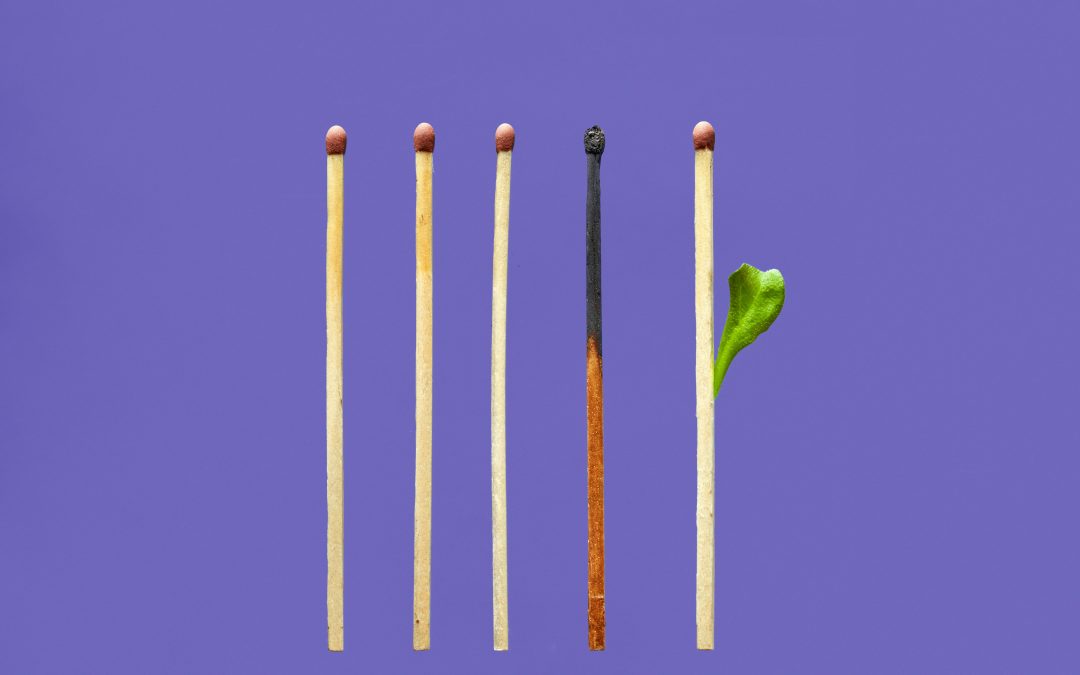
If you’re reading this, there’s a decent chance you’ve been doing the modern classic: telling everyone “I’m fine” while your nervous system quietly files a formal complaint.
Burnout can look like a dramatic crash, but more often it looks like a thousand tiny frays:
- You can’t focus, but you also can’t rest.
- You’re tired, but you can’t sleep.
- You want space, but you keep filling it with scrolling.
- You keep thinking a “proper break” will fix it, then you take one and…nothing really changes.
That’s where burnout recovery slow living comes in.
Not as a vibe.
As a practical approach: fewer inputs, more rhythm, less urgency, more basic care.
The point isn’t to become a new person who wakes up at 5am and makes chia pudding while journaling about abundance.
The point is to feel like yourself again.
This is a 14-day plan you can follow anywhere.
If you happen to be doing slow living in Italy (or dreaming about it), it fits beautifully. If you’re at home, still fits. If you’re reading this in bed at 1:12am with your phone six centimetres from your face, also fits. No shame. We begin where we are.

Before day 1: set your “bare minimum” rules
Burnout recovery works best when it’s simple. So we’re setting a few baseline rules that remove the biggest stress multipliers.
Pick 3 from this list:
- Phone stays out of bed.
- One daily walk, even if it’s short and slightly grumpy.
- No news before lunch.
- Two “connection windows” for messages and email.
- Eat something with protein before coffee.
- Bedtime alarm (yes, bedtime, not wake-up).
Choose the ones that feel achievable, not heroic.
If you want a quick toolbox of micro-resets to pair with this plan, the nervous system post is here: https://lavitasukha.com/nervous-system-regulation-toolkit/
The structure of the 14 days
We’re working in four phases:
- Days 1-3: Stabilise (stop the bleeding, lovingly)
- Days 4-7: Soften (reduce stress load)
- Days 8-11: Rebuild (gentle capacity)
- Days 12-14: Integrate (make it sustainable)
Each day has three parts:
- A 5-minute morning reset
- One “anchor” action (the main point of the day)
- A 10-minute evening wind-down
You can do more if you want, but the plan works perfectly if you only do the basics.
Days 1-3: Stabilise
These first three days are not about productivity. They are about making your body feel safe enough to come down a notch.
Your 5-minute morning reset
- Three physiological sighs (two inhales, long exhale).
- Drink water.
- Put both feet on the floor and look out a window for 30 seconds.
Yes, it’s that simple. Your nervous system does not require a PowerPoint.
Day 1 anchor: remove one unnecessary input
Pick one:
- Unfollow accounts that spike comparison.
- Turn off non-essential notifications.
- Delete one app you “check without meaning to”.
If your thumb is acting like it has its own agenda, read the digital detox post too: https://lavitasukha.com/digital-detox-italy-unplug-without-losing-work-momentum/
Day 2 anchor: choose “good enough” food
Make one meal today that is:
- Simple
- Warm (if it’s a cooler season)
- Not eaten while multitasking
Burnout recovery slow living is deeply unsexy at first. It’s mostly about eating like a person and not like a stressed raccoon.
Day 3 anchor: one gentle movement
Not a workout. Not a punishment. A gentle movement.
Choose:
- A 20-minute walk
- A slow stretch
- A swim if you have access
The goal is to tell your body: “We are not in danger. We can move without urgency.”
Evening wind-down (10 minutes)
- Write down: “Today I did enough because…”
- Put your phone away from your bed.
- Do 6 long exhales (inhale 4, exhale 6).
Days 4-7: Soften
This phase is about reducing the daily stress load and creating a rhythm your body starts trusting.
Morning reset (same as before)
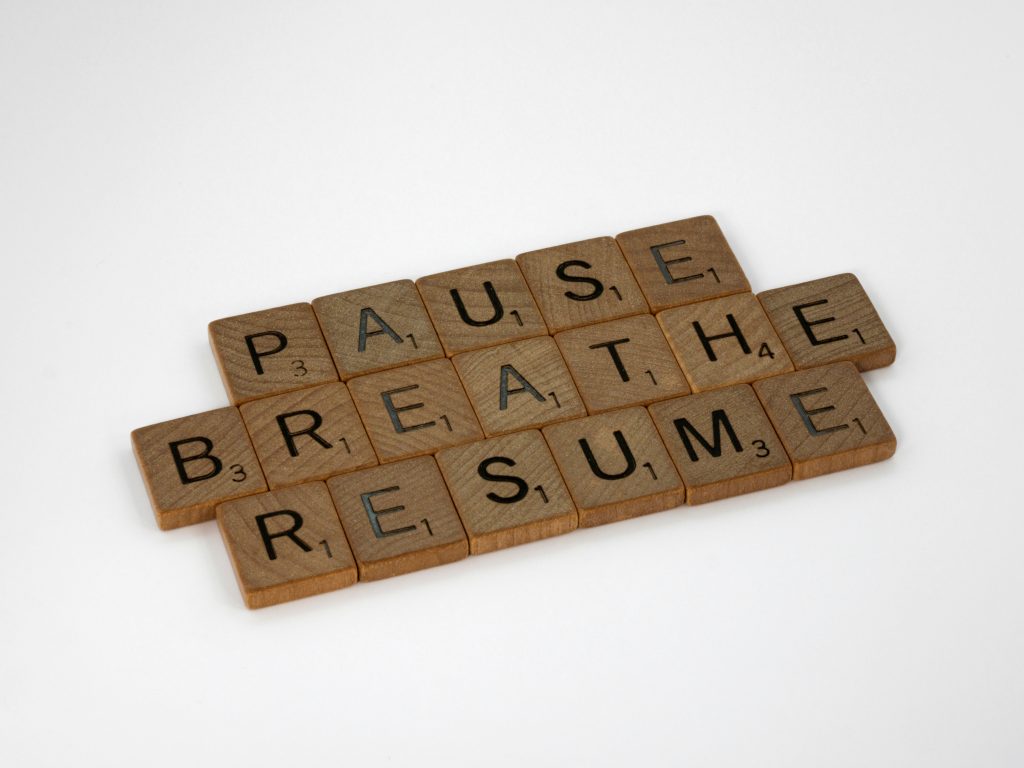
Keep it boring. Boring is safe.
Day 4 anchor: two connection windows
Choose two 20-minute windows for messages/email.
Example:
- 12:00-12:20
- 17:30-17:50
Outside those windows, you’re not “being bad”. You’re teaching your nervous system that you’re not on call for the entire internet.
Day 5 anchor: a “no hurry” task
Pick one thing to do slowly on purpose.
- Make coffee and sit down to drink it.
- Walk to the shop without headphones.
- Cook something simple without rushing.
This can feel weird at first. Your brain will try to invent urgency because it thinks urgency equals safety. Smile gently and continue stirring the pasta.
Day 6 anchor: reduce decision fatigue
Do one of these:
- Wear the same outfit formula (honestly, iconic).
- Plan tomorrow’s meals simply.
- Make a small routine for mornings.
Burnout recovery slow living is basically a decision-fatigue reduction programme dressed up as a lifestyle.
Day 7 anchor: one hour outside
One hour in nature or fresh air, ideally without your phone in your hand.
If you’re in Italy, this is the moment you become the person who takes an evening passeggiata “just because”. If you’re not, same concept: go outside like you’re a houseplant that’s remembered it needs sunlight.
Evening wind-down
- A warm shower or face wash.
- A stretch for your jaw and shoulders.
- Three lines in a journal: “What felt lighter this week?”
Days 8-11: Rebuild
Now that your system is less spiky, we build gentle capacity. Not hustle. Capacity.
Day 8 anchor: one focused work block (if you work)
If you’re working during this reset, choose one work block:
- 60-120 minutes
- One task
- Phone away
If you’re not working, replace with a creative block:
- Reading
- Writing
- Cooking
- Gardening
- Anything that feels like “me”.
This is where slow living supports burnout recovery: you stop scattering yourself.
Day 9 anchor: body comfort upgrade
Pick one:
- Better pillow
- Better chair setup
- Magnesium before bed
- A proper desk if you’re working remotely
If you’re choosing a place to do a reset in Italy with remote work, this checklist is worth gold: https://lavitasukha.com/remote-work-accommodation-italy-checklist/
Day 10 anchor: one honest conversation
Burnout thrives in isolation and performance.
Have one honest conversation with someone safe:
- “I’ve been overwhelmed.”
- “I’m tired.”
- “I’m trying something new.”
No dramatic story needed. Just truth.
Day 11 anchor: a small pleasure that is not a screen
Examples:
- A proper lunch outside
- A long bath
- A market wander
- A book in the sun
- A slow evening meal
It sounds trivial. It’s not. Your nervous system needs evidence that life contains pleasure that isn’t delivered via notifications.
Evening wind-down
- Phone away an hour before bed if possible.
- Write one line: “Here’s what I’m proud of today.”
- Long exhale breathing for one minute.
Days 12-14: Integrate
The final phase is about choosing what you keep. Not because you “should”, but because it helps.
Day 12 anchor: identify your three burnout triggers
Write down the top three things that spike you:
- Too many meetings
- Too much social media
- Too many plans
- Too much noise
- Not enough sleep
- Not enough food
Then write one boundary for each.
Day 13 anchor: design your “normal week” rhythm
Keep it simple:
- 2-3 focused work blocks per day (max)
- One daily walk
- Two connection windows
- One quiet evening
If you’re in a seasonal stay or coliving rhythm, this is where slow living in Italy really shines, because the environment makes it easier to choose less.
Day 14 anchor: your keep list
Write three lists:
- Keep: what genuinely helped
- Reduce: what drains you
- Stop: what you’re done negotiating with
Then do one small action that makes it real.
Examples:
- Unsubscribe from one email list
- Cancel one non-essential commitment
- Put your phone charger outside the bedroom
If you want to do this reset in Italy
A coliving or seasonal stay can be a powerful container for burnout recovery slow living, because it removes a lot of daily friction and gives you a calmer baseline.
If you want to explore that style of stay at La Vita Sukha, coliving and seasonal stays are here: https://lavitasukha.com/coliving-italy/
And if you want more context for the slow living thread, this post pairs beautifully: https://lavitasukha.com/slow-living-italy-burnout-recovery/
Final note: your job is not to become a new person
Your job is to become a less fried version of the person you already are.
If you do this plan imperfectly, it still works.
If you miss a day, you’re still in it.
If you do it while eating toast and feeling mildly emotional, you’re definitely in it.
Burnout recovery slow living is not a performance.
It’s a return.