
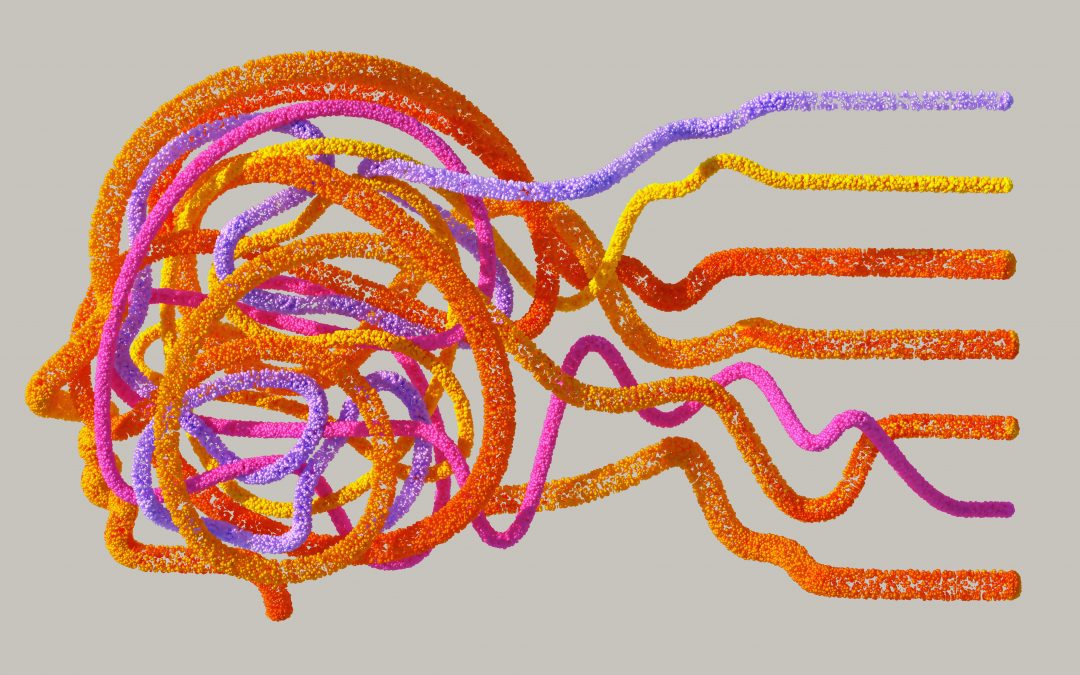
If you’ve ever said, “I’m fine,” while your eye twitched and your jaw tried to fuse itself into one solid piece of bone, welcome.
You’re not broken.
You’re just living in 2026.
The phrase nervous system regulation can sound like something you need a diploma, a sound bath, and a linen outfit to achieve.
In reality, it’s much more basic (and much more forgiving):
Nervous system regulation is simply helping your body shift out of stress mode and back into a state where you can think, digest, sleep, connect, and make decisions without feeling like you’re being chased by an invisible tiger called “inbox.”
This is a practical toolkit.
Not a personality transplant.
Not a new morning routine that requires waking at 5am and becoming a different person who enjoys green juice.
These are little resets you can do in real life, including:
- While waiting for your laptop to stop updating.
- While someone in the post office tells you “torna domani” with a smile (Italy’s love language).
- While your phone tries to convince you that reading one more comment is essential to your survival.
And yes, let’s make it mildly funny…because by now we all know that humour is also regulation.
A quick note before we begin (because I’m not trying to be your doctor or therapist)
This is wellbeing education, not medical advice. If you’re dealing with panic attacks, trauma symptoms, or anything that feels beyond your capacity, it’s always worth seeking professional support. This toolkit can still help, but you deserve proper care.
The nervous system basics (in normal person language)
You’ve basically got two main modes relevant here:
- Stress mode (fight, flight, freeze)
Great for emergencies. Not great for everyday life. - Rest mode (rest, digest, connect)
Where you feel more like yourself.
Most of us don’t need to “eliminate stress.” We need more ways to come back down after it.
That’s what nervous system regulation tools are for.
How to use this toolkit (without making it another chore)

Choose:
- Two micro-tools (30-60 seconds each) for your day
- One longer tool (3-5 minutes) for evenings
That’s it. If you try to do all of them, you’ll last three days, then ghost your own wellbeing like it’s an unread newsletter.
The toolkit: nervous system regulation tools you can use immediately
1) The “Physiological sigh” (30 seconds)
This is the easiest “I feel weird” reset.
How:
- Inhale through the nose.
- Take a second short inhale on top (like topping up the tank).
- Slow exhale through the mouth.
Do 2-3 rounds.
When to use:
- Before a call.
- After reading a message that makes your stomach drop.
- When you’re about to write a dramatic email.
Why it works:
It helps release CO2 and signals downshift. Also it makes you feel like you’re returning from battle, which is accurate.
2) Unclench your face(20 seconds)
This one is deeply unsexy and deeply effective.
How:
- Drop your tongue from the roof of your mouth.
- Soften your jaw.
- Relax your forehead.
- Let your eyes be “wide but soft.”
Bonus:
Put one hand on your chest for a moment, like you’re saying, “It’s ok.” (To yourself. Not to your laptop.)
When to use:
- Anytime you notice jaw tension.
- Anytime you’ve been “fine” for too long.
3) Feet on the floor, eyes on something boring (45 seconds)
Grounding is not spiritual. It’s physics.
How:
- Put both feet on the ground.
- Look at a neutral object (doorframe, mug, plant pot).
- Name 5 things you can see.
When to use:
- When you feel floaty, anxious, or scattered.
- When your brain is trying to time travel into worst-case scenarios.
This is one of the simplest grounding exercises and it works because you’re bringing attention back to present sensory reality.
4) The “longer exhale” rule (1 minute)
If stress is up, exhale needs to be longer than inhale.
How:
- Inhale for 4.
- Exhale for 6.
- Repeat 6 times.
When to use:
- During work blocks.
- When you’re trying to focus and your brain is doing jazz hands.
This is one of the most reliable breathing exercises for stress because it nudges your system toward calm without you having to “believe in it.”
5) Shake it out like an Italian nonna scolding crumbs off a table (45 seconds)
Your body stores tension. Movement helps discharge it.
How:
- Stand up.
- Shake arms, shoulders, legs.
- Exhale audibly.
- Add a little dramatic shoulder roll.
When to use:
- After sitting at a laptop.
- After a stressful interaction.
- Anytime you feel “buzzing.”
This is regulation disguised as silliness.
6) The “temperature hack” (30-60 seconds)
Cold can interrupt a stress spiral fast.
How:
- Splash cool water on your face.
- Or hold something cold to your cheeks.
- Or step outside for fresh air if it’s cool.
- Or throw yourself into a cold shower
When to use:
- When you’re in a loop and can’t get out.
- When you want a quick pattern interrupt.
This is a classic stress reset because it changes body state quickly.
7) Orienting: “I am here, and I am safe enough” (1 minute)
This is especially good if you’re in a new place (hello, travel brain).
How:
- Slowly look around the room.
- Notice corners, exits, windows.
- Let your eyes land on something pleasant (light, colour, tree outside).
- Tell yourself: “Right now, I’m safe enough.”
When to use:
- After travel.
- Before sleep.
- When you feel inexplicably on edge.
8) The “one thing” list (2 minutes)
For overwhelm.
How:
- Write down everything swirling in your head.
- Circle one thing.
- Do that one thing or schedule it.
When to use:
- When you’re paralysed by too many tasks.
- When your nervous system is doing freeze mode.
This is nervous system regulation through structure. Boring. Effective.
9) The “no phone in bed” treaty (daily)
I know. I can hear the collective groan. But this one is nuclear-level helpful.
Rule:
- Phone charges outside the bedroom.
- If you need an alarm, use a cheap one or airplane mode.
Why:
This is the fastest upgrade for sleep quality and nervous system regulation. Also, your bed deserves better than doomscrolling.
If you liked the “digital boundaries” vibe, this post pairs well: https://lavitasukha.com/digital-detox-italy-unplug-without-losing-work-momentum/
10) The “good enough day” closing ritual (3 minutes)
This is for people who end every day feeling behind.
How:
- Write down 3 things you did (even tiny).
- Write down 1 thing you’re proud of.
- Write down 1 thing you’re letting go of.
When to use:
- Every evening, especially during burnout recovery.
This builds the inner sense of completion your nervous system craves.
A 5-minute daily routine (for people who don’t do routines)
Here’s the simplest version that actually sticks:
Morning (1 minute)
- Physiological sigh x3
- Jaw unclench
Midday (1 minute)
- Longer exhale breathing (4 in, 6 out)
Evening (3 minutes)
- Good enough day ritual (3 lines, done)
That’s it. That’s your nervous system regulation practice. No incense required.
How this ties into slow living (without you moving to a monastery)
Nervous system regulation gets easier when your environment supports it.
That’s why slow living helps. Not because Italy is magical, but because slower rhythms reduce constant activation.
If you’re exploring that life pace, this post is a good companion: https://lavitasukha.com/slow-living-italy-burnout-recovery/
And if you’re choosing accommodation specifically for remote work, this checklist helps you avoid the “Wi-Fi only works in the stairwell” lifestyle: https://lavitasukha.com/remote-work-accommodation-italy-checklist/
If you want to practise this in a place that makes it easier
If your nervous system is craving quieter days, seasonal stays and coliving in a tranquil environment can be a gentle way to try a slower rhythm without “moving your whole life.”
Seasonal stays and coliving at La Vita Sukha: https://lavitasukha.com/coliving-italy/
You’re not signing your soul away. You’re just giving yourself a base that supports calm, focus, and actual sleep.
Final note: the goal isn’t calm, it’s capacity
You don’t need to feel zen 24/7. You just need enough regulation that you can:
- Respond instead of react
- Sleep instead of spiral
- Live instead of brace
Pick two tools. Use them like you brush your teeth. Slightly annoying, oddly life-changing.
And if you forget for a week? Congratulations, you’re a human. Start again today, preferably with a long exhale and a dramatic shoulder roll.