
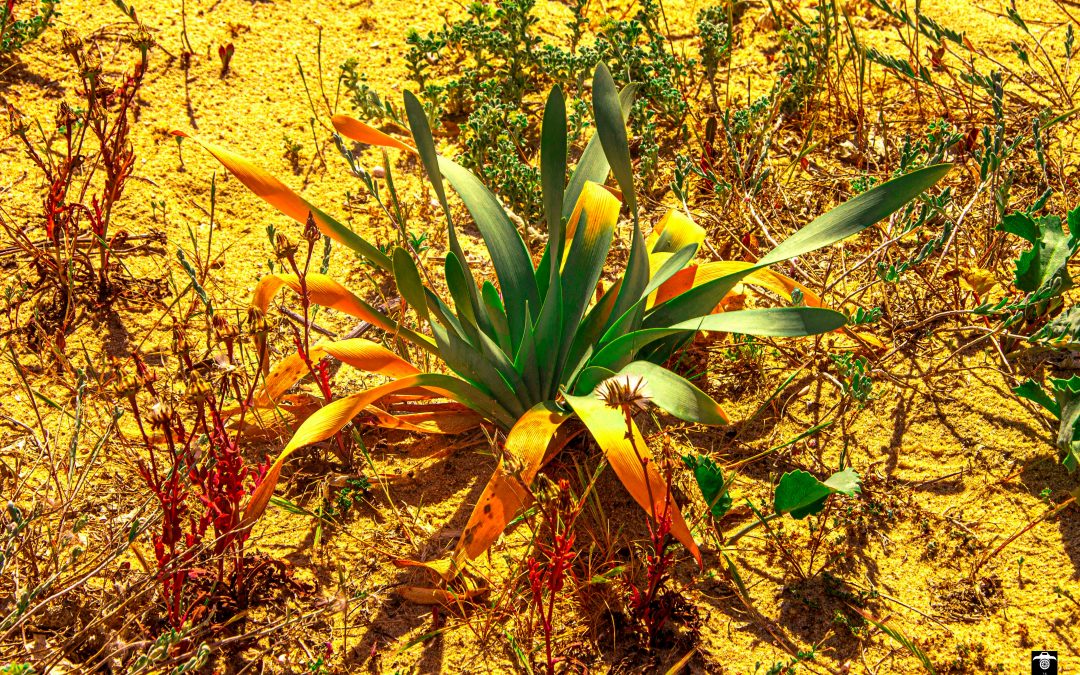
If you live in (or dream of) a Mediterranean climate, you already know the summer sun has one main hobby: turning your garden into a crunchy snack.
It’s not personal. It’s just… enthusiastic.
So let’s talk about drought tolerant edible plants Mediterranean gardeners can actually rely on, especially if you’re a beginner and you’d like your gardening journey to involve more eating and less dramatic collapse onto a hose whispering, “Why did I choose basil as my personality?”
This post is a shortcut list. It’s not “every edible plant that has ever existed.” It’s the ones that tend to do well in dry summers, plus the small design moves that make them even easier. Because the real secret is that drought-tolerant plants are more than just helpful – they can also save you a lot of stress (and water).
A drought-tolerant plant in a water-wise system is basically unstoppable.
If you’re building longer-term systems, these two posts pair beautifully:
- Permaculture foundations in Italy: https://lavitasukha.com/permaculture-italy-mediterranean-climate-beginners/
- Food forest basics for dry summers: https://lavitasukha.com/food-forest-mediterranean-dry-summers/
First: what “drought tolerant” actually means (so nobody gets betrayed)
In Mediterranean climates, “drought tolerant” usually means:
- Once established, the plant can handle long dry periods with minimal watering
- It will still look vaguely alive by late August
- It may not be at its most gorgeous in peak heat, but it won’t immediately throw itself on the floor
It does not mean:
- “Never water it, ever, even in year one”
- “Plant it in bone-dry soil in July and expect miracles”
Most perennials need support while establishing. Think of year one as training wheels, not a lifetime dependency.
Also, your microclimate matters: altitude, wind, soil type, slope, and how much afternoon sun hits your plants. Mediterranean is a whole genre, not one identical setting.
The water-wise basics that make everything easier
Before we get to the plant list, here are the three biggest “make it easier” principles of Mediterranean climate gardening:
1) Plant in autumn if you can
Autumn planting means:
- Warmer soil for root growth
- Rain returning (often)
- Less immediate heat stress
Spring planting can work, but if you want it to survive, you will have to be responsible for watering it at least every other day.
2) Mulch is not optional
Mulch keeps soil cooler, reduces evaporation, and helps soil life. In dry climates, bare soil is basically a heat mirror.
3) Water the soil, not the leaves
Deep, occasional watering encourages deeper roots. Frequent shallow watering creates needy plants that panic the moment you look away.
For broader context on drought and water stress patterns (useful background reading), the European Environment Agency has solid resources: https://www.eea.europa.eu/en/topics/in-depth/water
The shortcut list: drought tolerant edible plants Mediterranean gardeners love
I’m going to organise these by “layers,” because that’s how your future food forest brain wants to think: trees, shrubs, herbs, groundcovers, climbers, and a few hardy perennials.
A) Drought-tolerant edible trees
These are your long-term anchors. They create shade (which is basically water conservation in disguise) and produce for years.
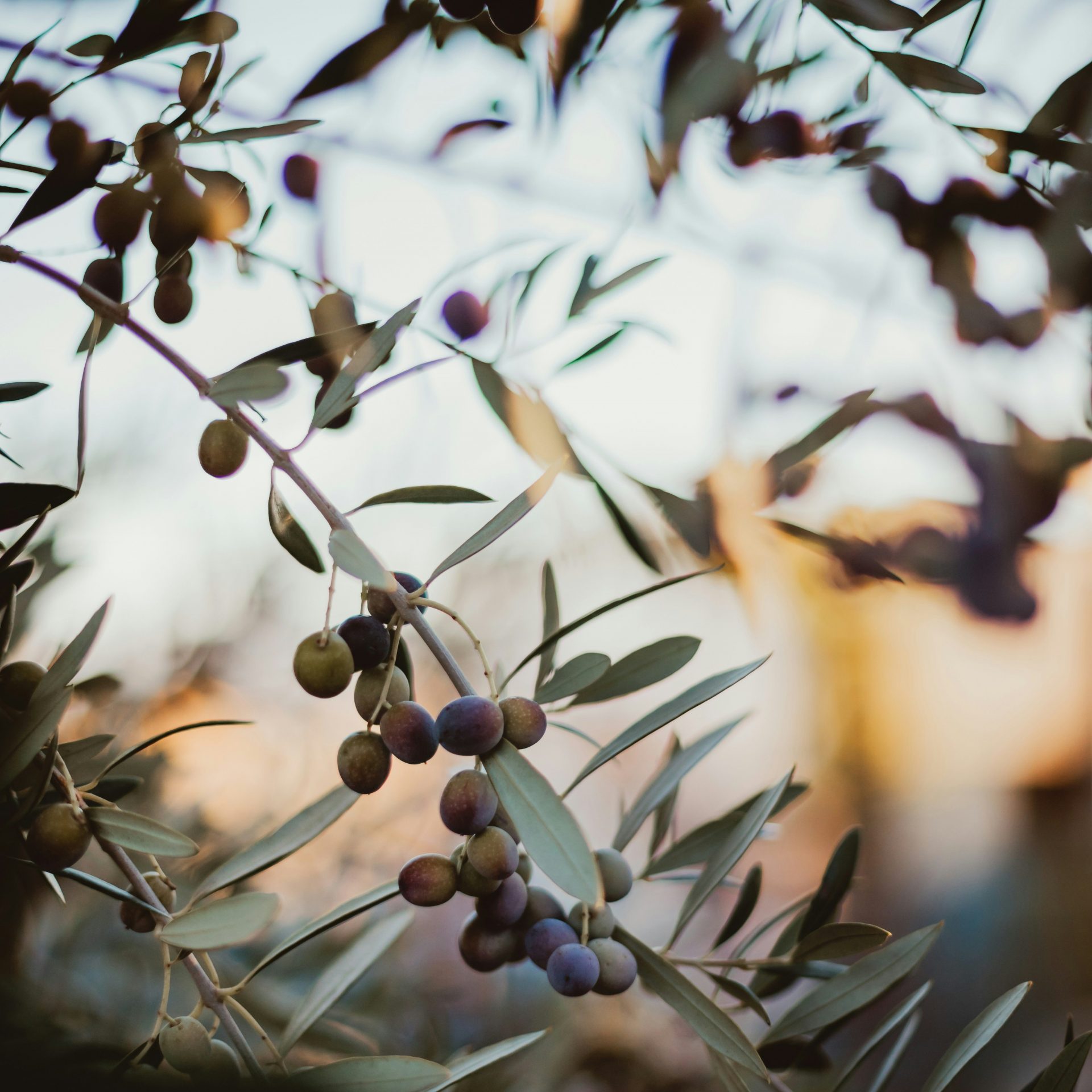
Olive (Olea europaea)
- Edible: Olives (needs curing), oil
- Why it’s great: Iconic Mediterranean resilience
- Note: Young trees still need establishing water
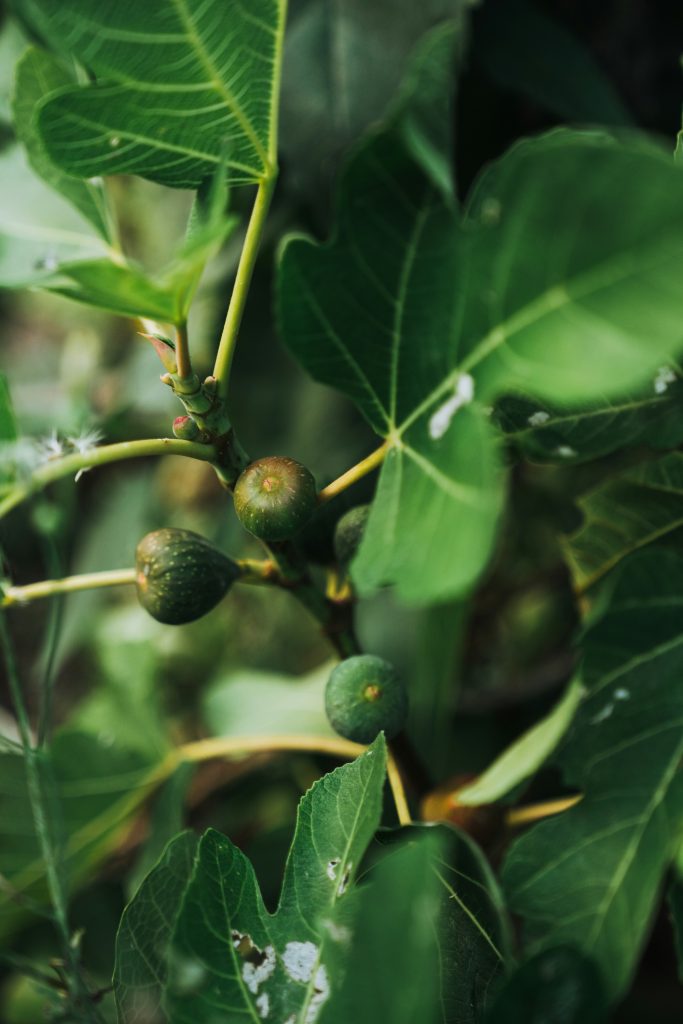
Fig (Ficus carica)
- Edible: Figs
- Why it’s great: Tough, productive, forgiving
- Note: Can get big. Plan space and pruning
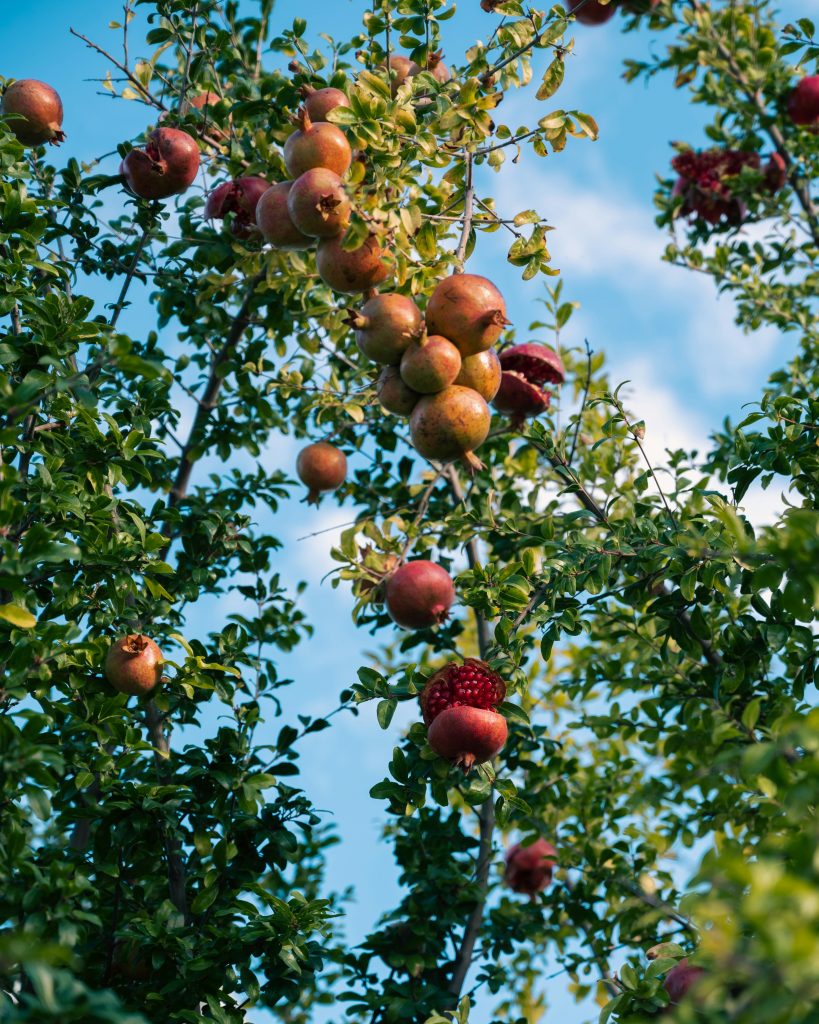
Pomegranate (Punica granatum)
- Edible: Fruit
- Why it’s great: Handles heat well, gorgeous, productive
- Note: Likes sun, benefits from deep watering in early years
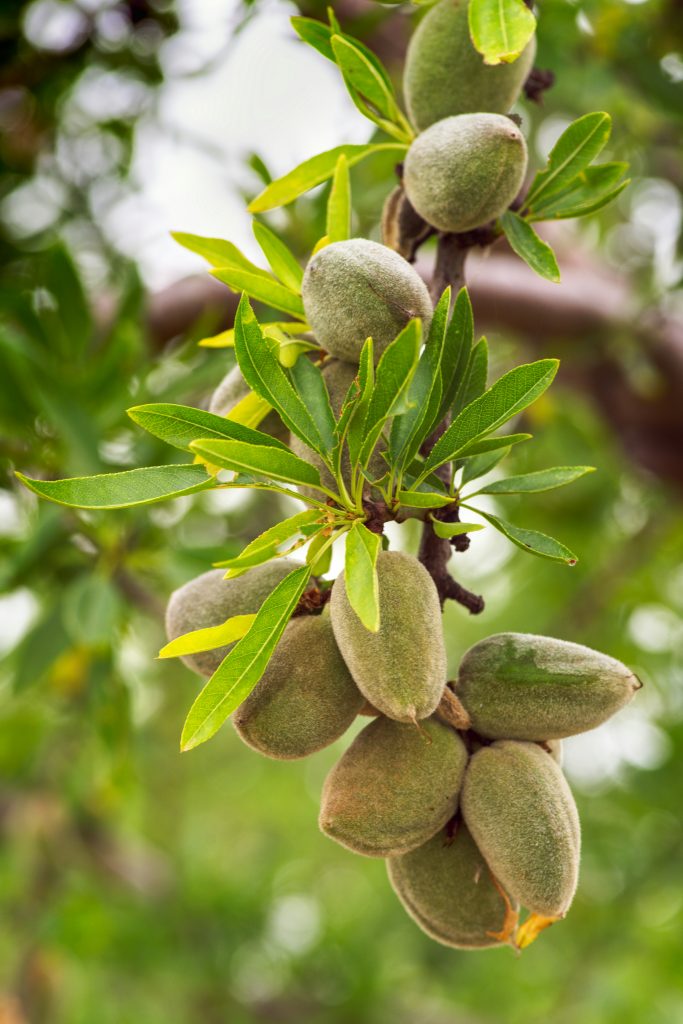
Almond (Prunus dulcis)
- Edible: Almonds
- Why it’s great: Well-suited to dry climates once established
- Note: Frost and late blooms can be a factor depending on your altitude
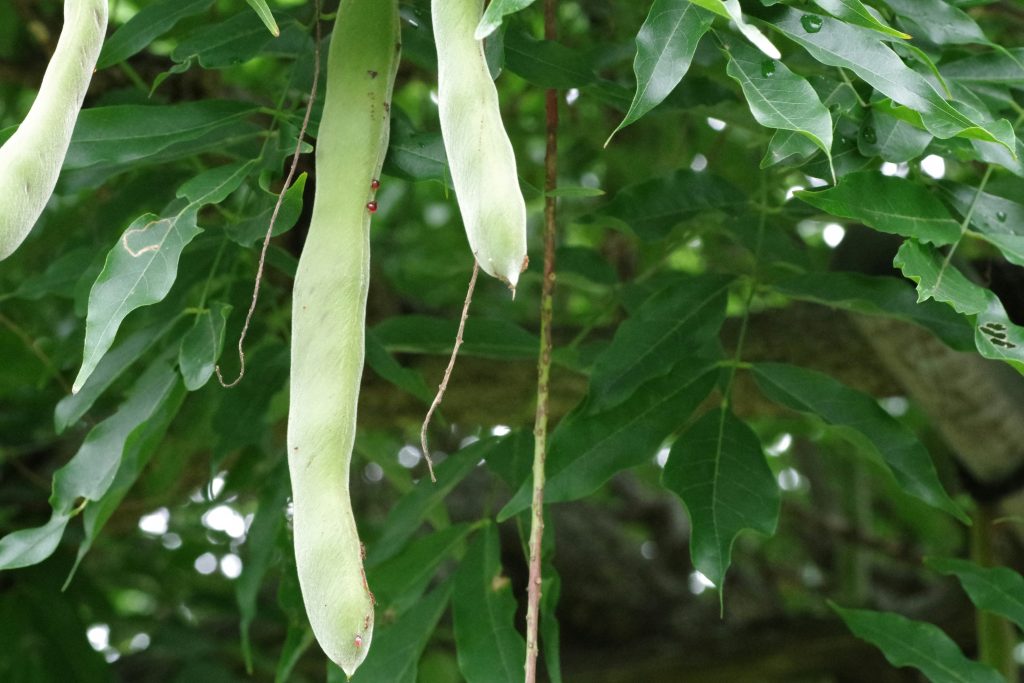
Carob (Ceratonia siliqua)
- Edible: Pods (carob powder, animal feed)
- Why it’s great: Extremely drought tolerant in warm microclimates
- Note: More suited to warmer zones, and it’s a long game
If you’re in Italy, local varieties matter a lot. A local nursery will often give you better advice than the internet ever will, because they know your exact conditions.
B) Drought-tolerant shrubs with edible or useful yields
Shrubs are underrated. They fill space, create microclimates, and often thrive on neglect (a personal favourite gardening strategy).
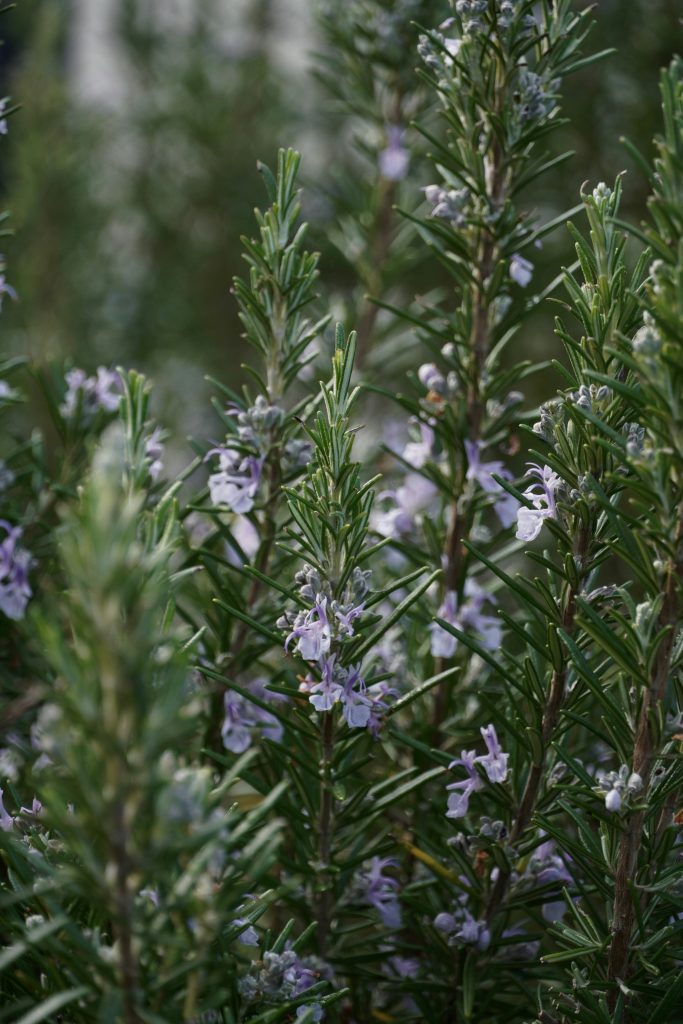

Rosemary (Salvia rosmarinus)
- Edible: Leaves
- Why it’s great: Thrives on dry slopes and mild disdain
- Bonus: Pollinators love it
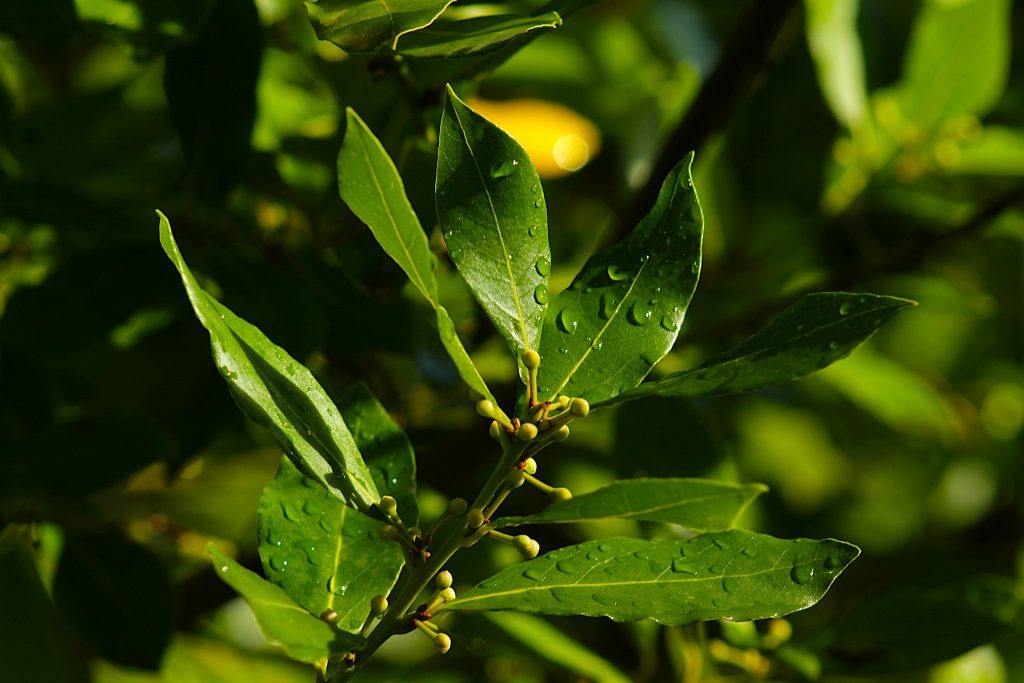
Bay laurel (Laurus nobilis)
- Edible: Leaves (cooking)
- Why it’s great: Hardy, useful, low-drama
- Note: Can become a small tree if happy
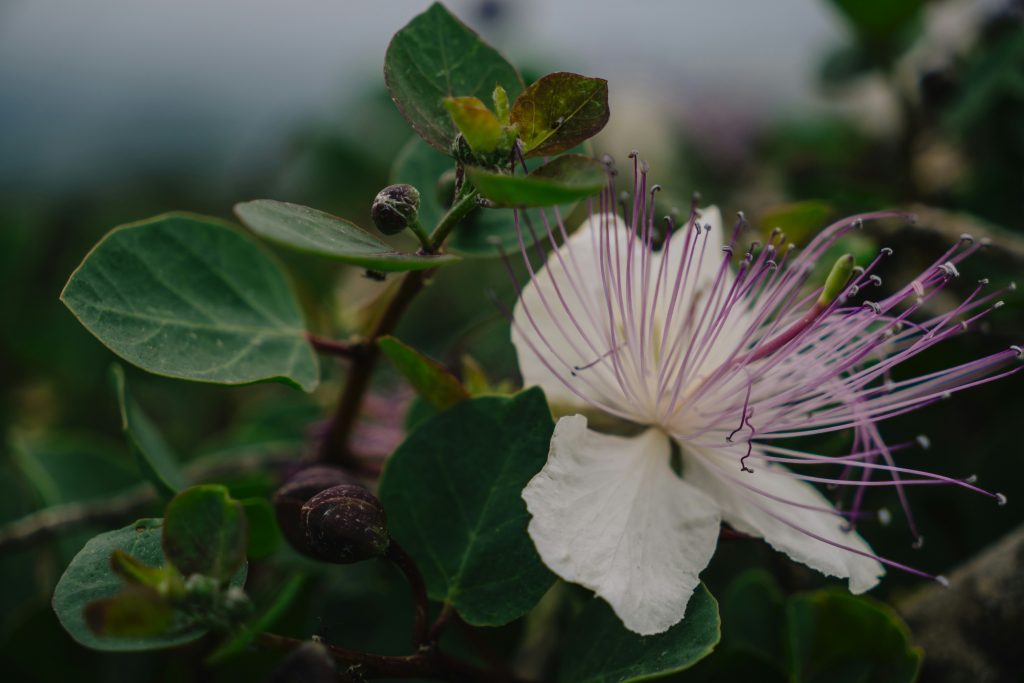
Caper bush (Capparis spinosa)
- Edible: Capers (buds), caper berries
- Why it’s great: Built for heat and rocky soils
- Note: Often happiest in very well-drained spots, even stone walls
Prickly pear (Opuntia ficus-indica)
- Edible: Fruit (and pads if prepared properly)
- Why it’s great: Extreme drought tolerance
- Note: Spines are not a personality trait you want in your ankles. Handle carefully
C) Herbs that cope well with dry summers
If you want quick wins in a Mediterranean garden, start with herbs. They make you feel competent immediately.
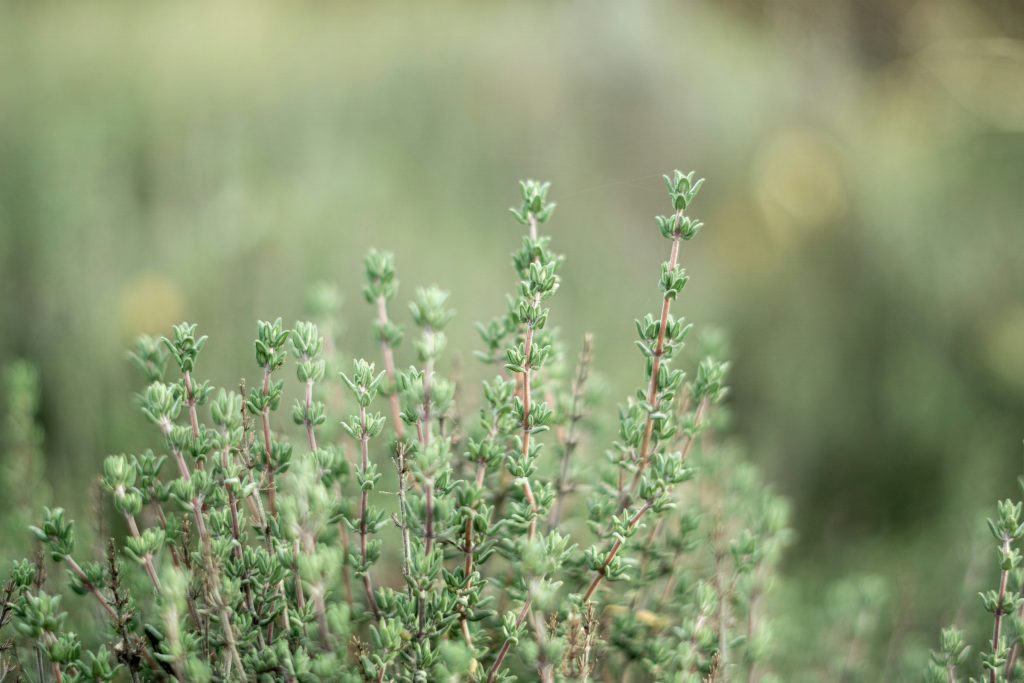
Thyme (Thymus spp.)
- Edible: Leaves
- Why it’s great: Low water, loves sun, great groundcover
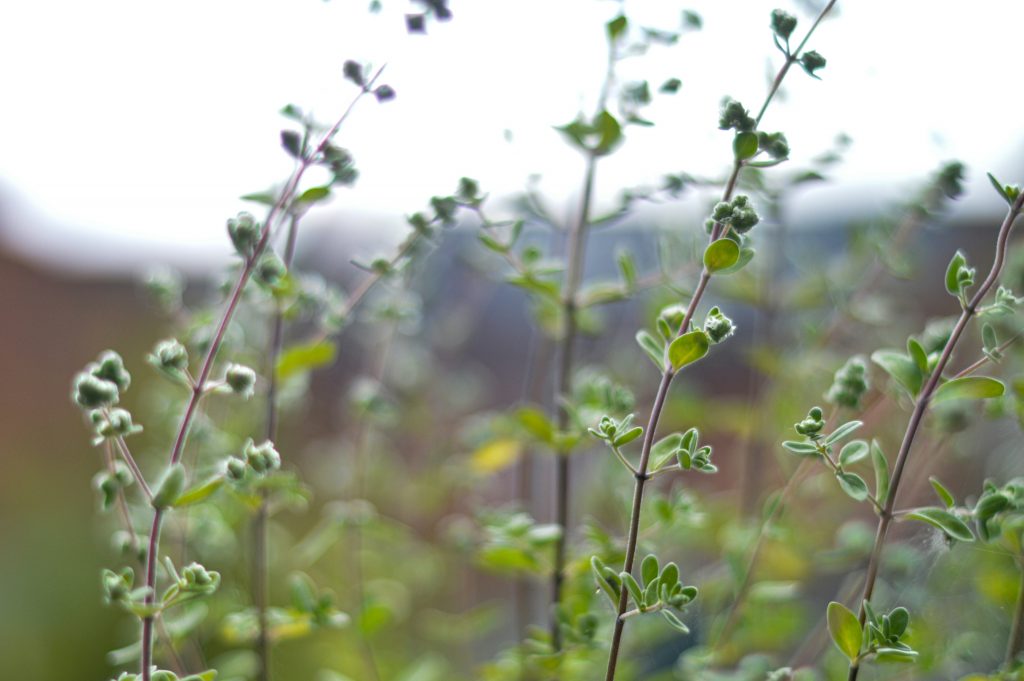
Oregano (Origanum vulgare / O. heracleoticum)
- Edible: Leaves
- Why it’s great: Classic Mediterranean, very forgiving
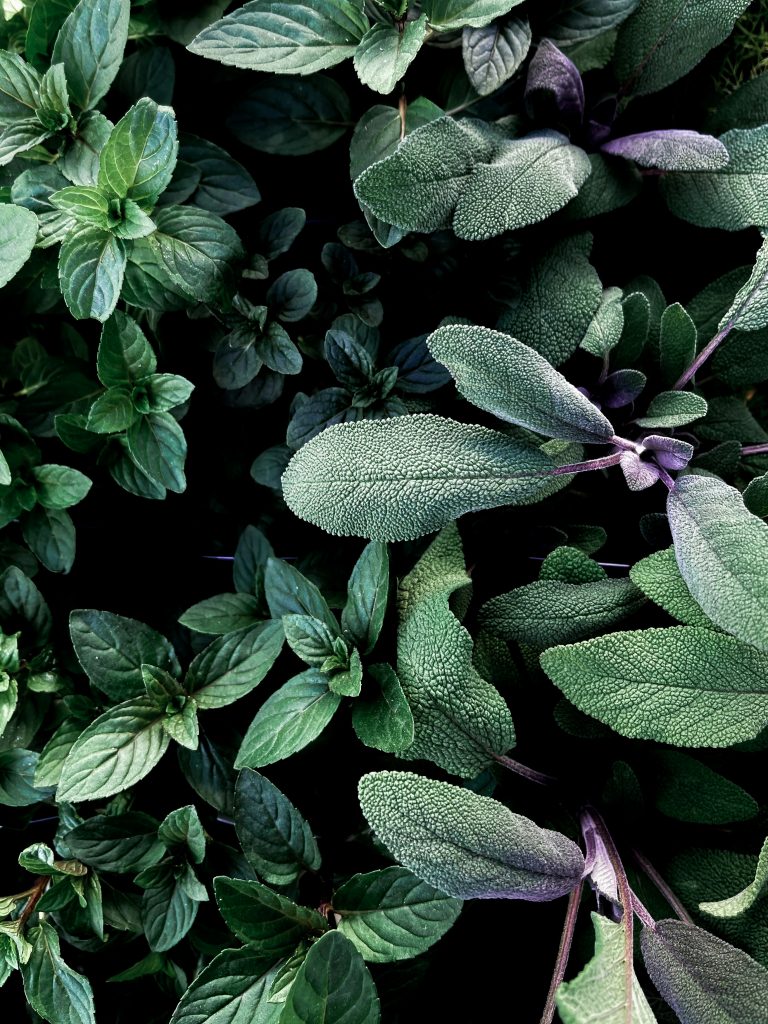
Sage (Salvia officinalis)
- Edible: Leaves
- Why it’s great: Heat tolerant, sturdy
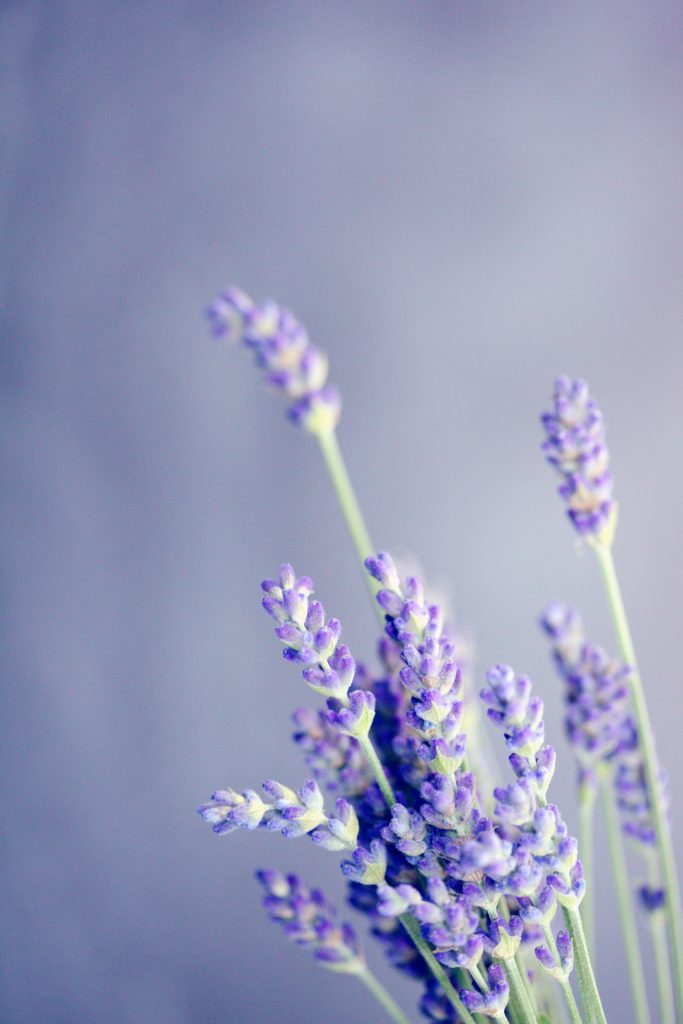
Lavender (Lavandula spp.)
- Edible: Flowers (in small culinary amounts)
- Why it’s great: Drought tolerant and pollinator heaven
- Note: Not everyone wants lavender-flavoured everything. Use lightly
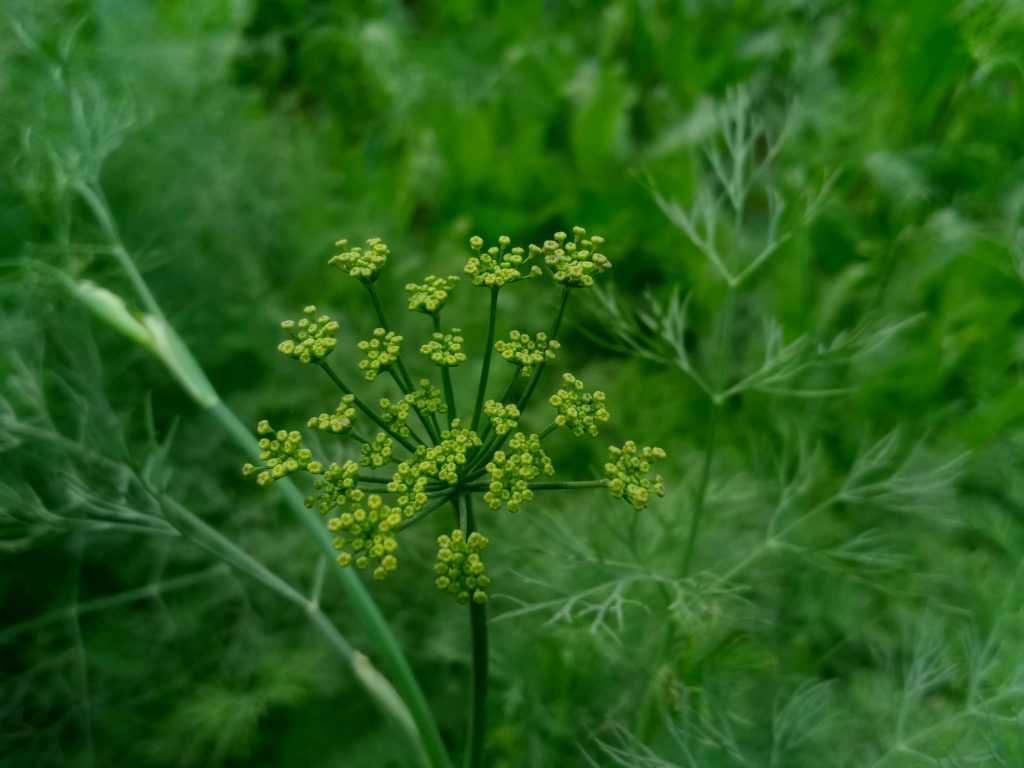
Fennel (Foeniculum vulgare)
- Edible: Fronds, seeds (and sometimes bulb type varieties)
- Why it’s great: Often self-seeds, tough
- Note: Can take over if it loves your land a bit too much
D) Groundcovers and low growers
Groundcover is how you reduce evaporation and protect soil. Also it makes your garden look intentional, even when you’re winging it.
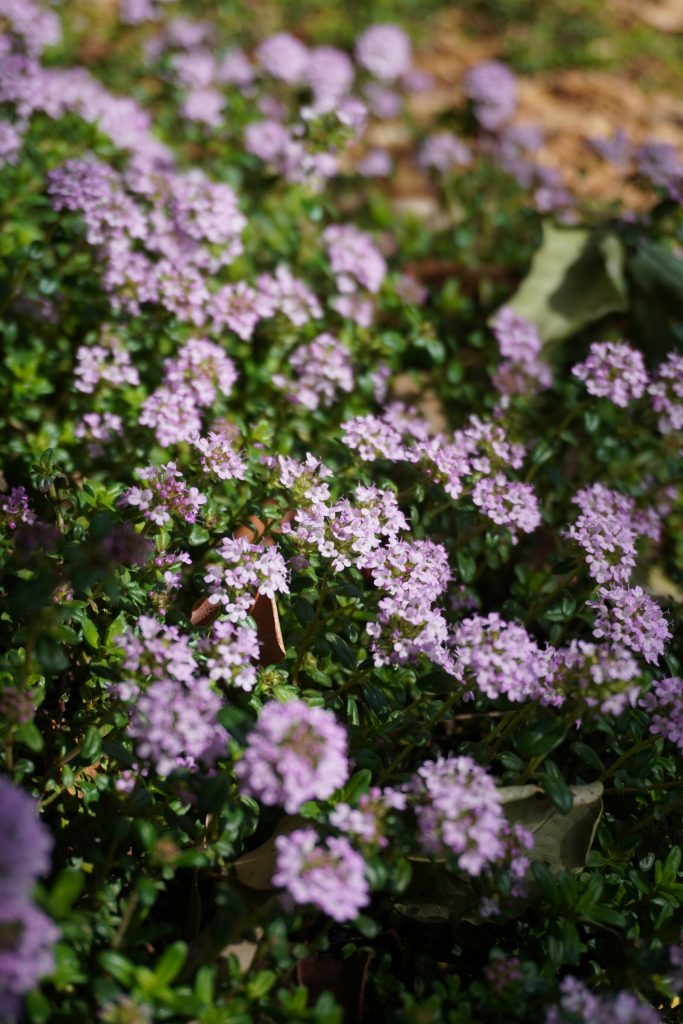
Creeping thyme
- Edible: Leaves
- Why it’s great: Low water, living mulch, smells amazing when stepped on
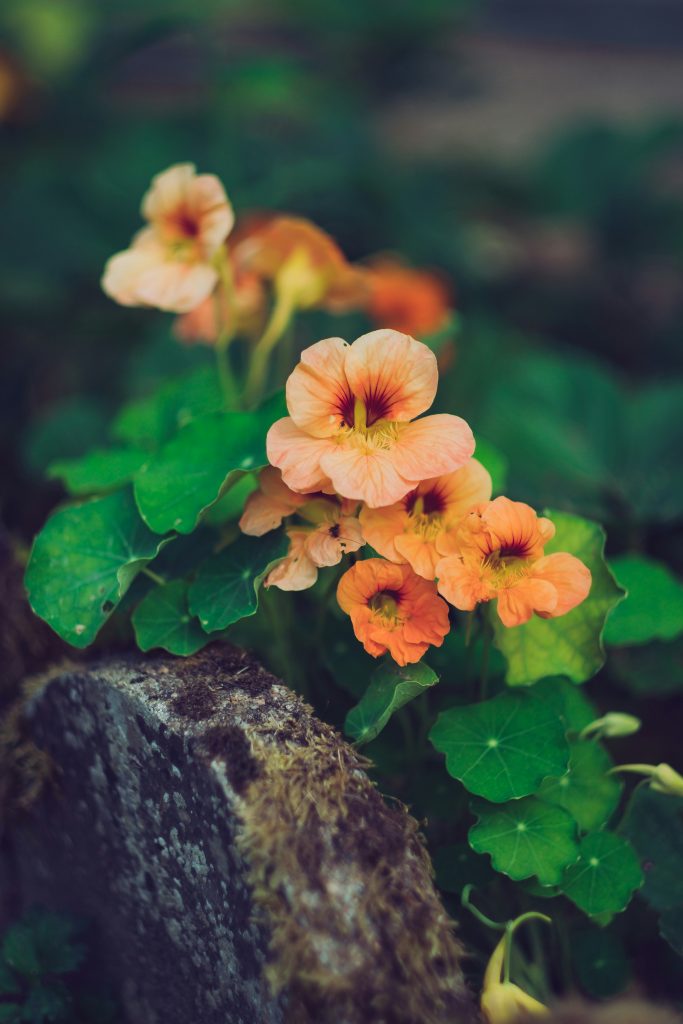
Nasturtium (Tropaeolum majus)
- Edible: Leaves and flowers
- Note: More water needed in hotter, drier sites. Works best with a bit of shade or irrigation support
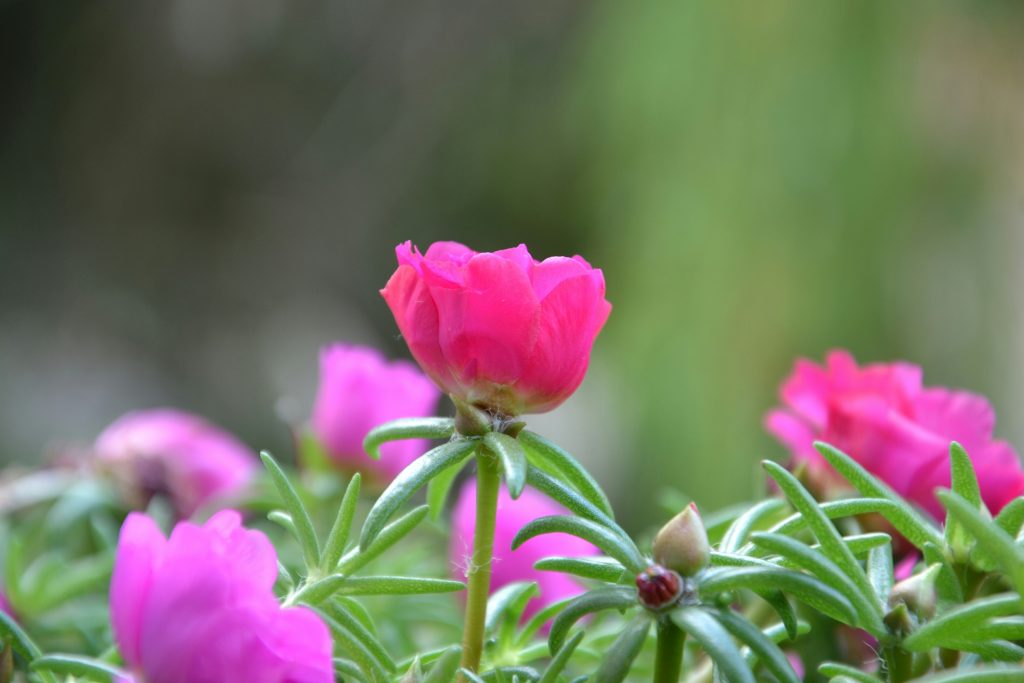
Purslane (Portulaca oleracea)
- Edible: Leaves (nutritious, slightly lemony)
- Why it’s great: Thrives in heat, often grows itself
- Note: Make sure you can identify it confidently before eating
E) Climbers and vines
Vines are fantastic in dry climates because you can train them for shade and productivity.
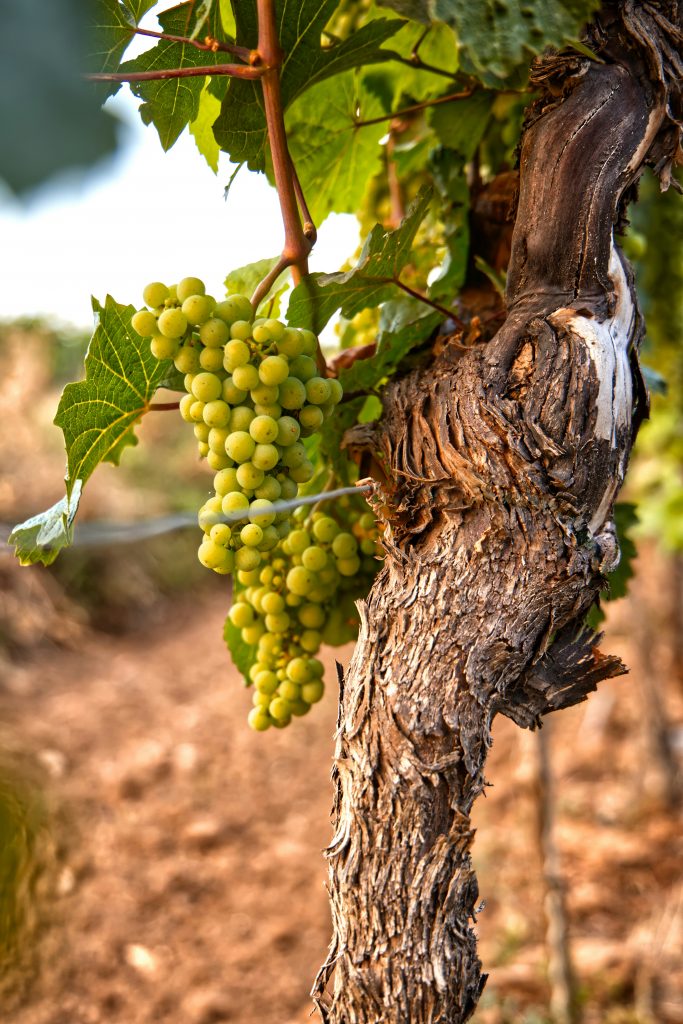
Grapevine (Vitis vinifera)
- Edible: Grapes, leaves (dolma dreams)
- Why it’s great: Mediterranean classic, provides shade and food
- Note: Needs pruning knowledge, but it’s learnable
F) Hardy perennials and “support edibles”
These are the plants that quietly feed you without needing constant replanting.
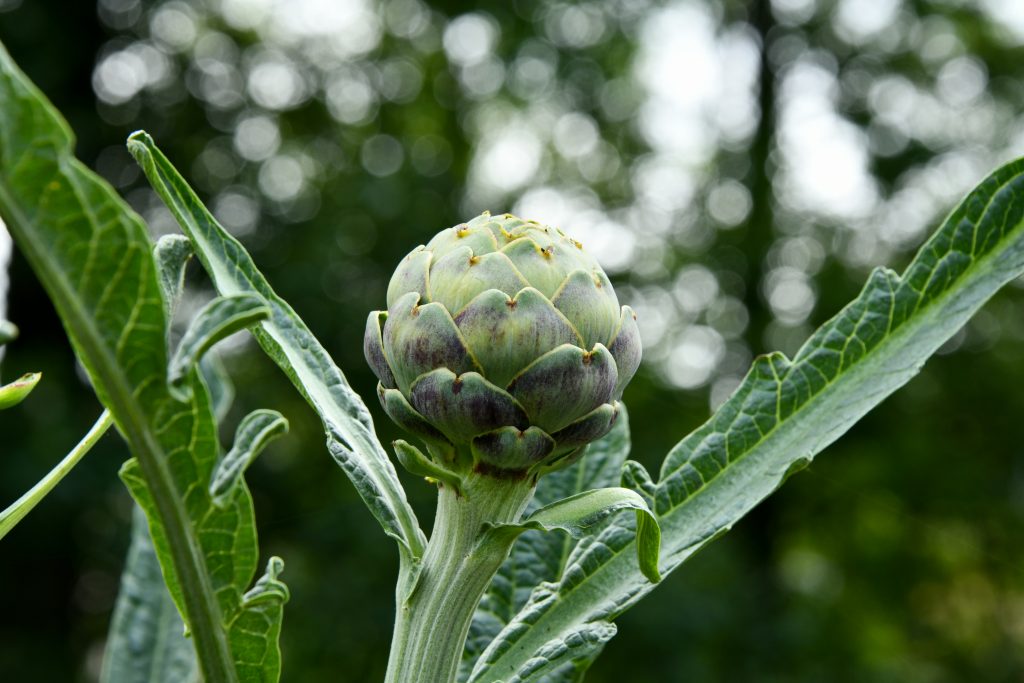
Artichoke (Cynara scolymus)
- Edible: Flower buds
- Why it’s great: Mediterranean champion, architectural, perennial
- Note: Needs space, but worth it
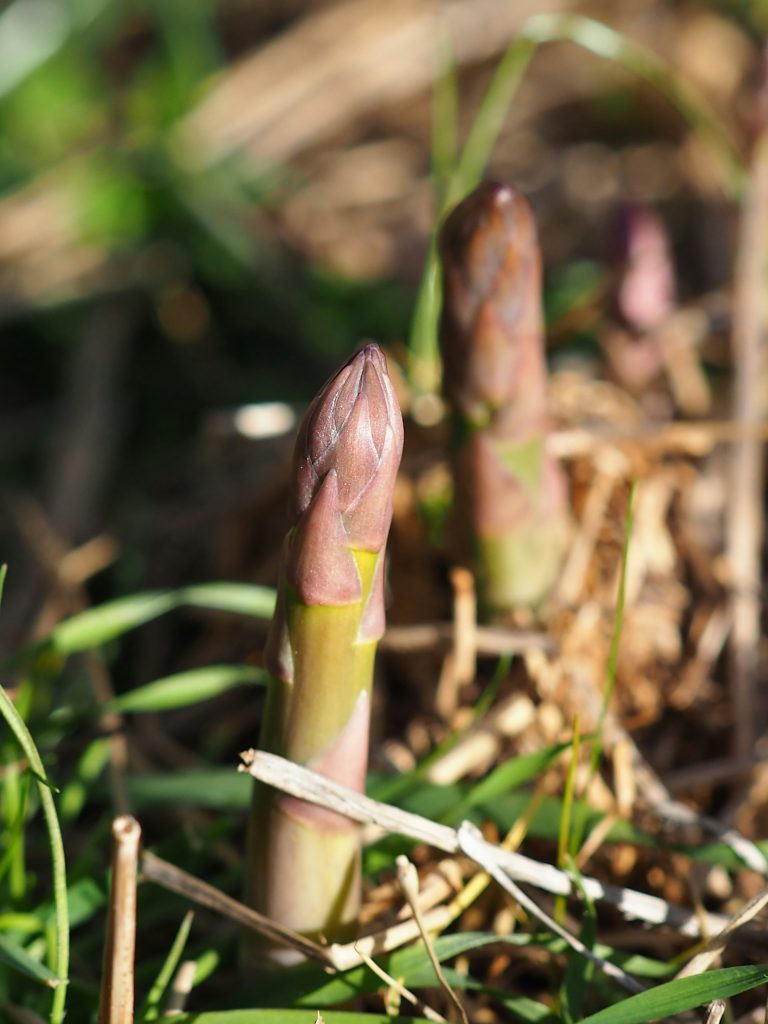
Asparagus (Asparagus officinalis)
- Edible: Spears
- Why it’s great: Long-lived once established
- Note: Needs some water while establishing and decent soil prep
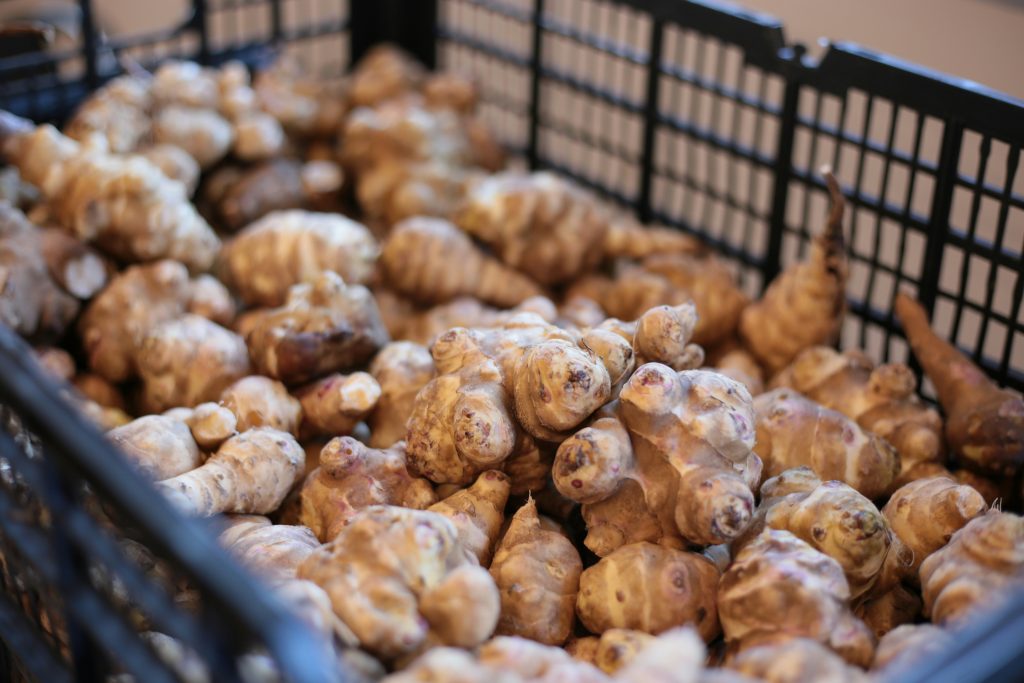
Jerusalem artichoke (Helianthus tuberosus)
- Edible: Tubers
- Why it’s great: Tough and productive
- Note: It can spread enthusiastically. Plant where you can contain it
The “Top 10 easiest starters” list (if you want the quick answer)
If you’re new and want the simplest drought tolerant edible plants Mediterranean starter kit, begin with:
- Rosemary
- Thyme
- Oregano
- Sage
- Bay laurel
- Fig
- Pomegranate
- Olive
- Grape vine
- Artichoke
That combo gives you herbs, perennials, trees, and shade potential, without demanding daily watering and emotional support.
How to plant for drought tolerance (so your plants don’t panic)
Here’s the part that makes the list work in real life.
Make a basin, not a mound
Around trees and shrubs, create a shallow basin so water collects where roots are. Avoid “volcano mounds” around trunks – they shed water away.
Mulch thickly, and keep mulch off the trunk
A good mulch ring reduces evaporation massively. Keep it a few centimetres away from the trunk to avoid rot issues.
Water deeply, less often
In year one, deep watering trains roots downward. Shallow, frequent watering trains roots to stay near the surface, which is the worst place to be in August.
Use shade strategically
Even drought-tolerant plants appreciate afternoon shade when young. Shade is water savings.
For a broader, reputable overview of water-smart land and farming approaches, the FAO is a strong reference point: https://www.fao.org/land-water/en/
A tiny reality check about basil (and other thirsty divas)
Basil is not a “drought tolerant edible plant.” Basil is a summer romance that requires devotion, regular watering, and sometimes therapy.
If you love basil (same), give it:
- Morning sun, afternoon shade
- Consistent water
- A pot you can move
And let your drought-tolerant herbs do the heavy lifting elsewhere.
If you’re in Italy and want to experience this rhythm first
One of the most underrated ways to learn Mediterranean growing is to live in the rhythm of the place for long enough to notice the seasons.
If you’re exploring rural life and slow living alongside remote work, seasonal stays at La Vita Sukha are here: https://lavitasukha.com/coliving-italy/
And for deeper reading:
- Permaculture in Italy: https://lavitasukha.com/permaculture-italy-mediterranean-climate-beginners/
- Food forest basics: https://lavitasukha.com/food-forest-mediterranean-dry-summers/
- Rural living in Italy: https://lavitasukha.com/rural-living-italy-what-to-expect/
Final thought: choose plants that want your life
The quickest path to success with drought tolerant edible plants Mediterranean gardens is not “trying harder.” It’s choosing plants that suit:
- Your climate
- Your soil
- Your time
- Your actual capacity
Pick resilient staples, plant them in autumn, mulch like you mean it, and let the system get easier each season.
And if something dies? Congratulations. You are now officially a gardener.