
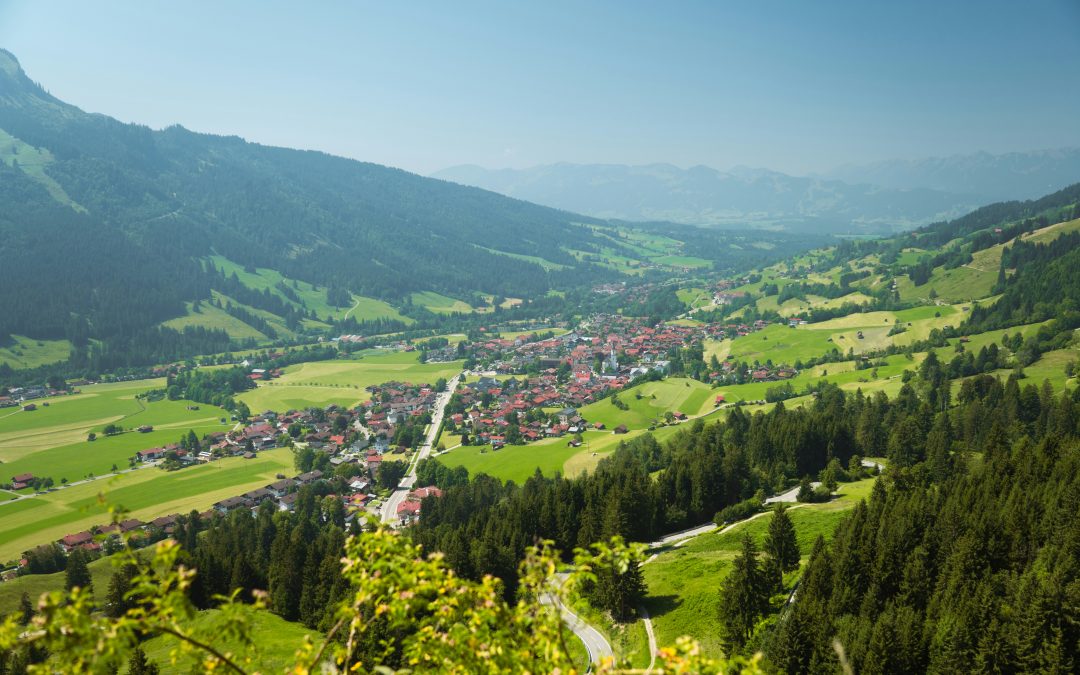
If you’ve found yourself Googling rural regeneration Italy, there’s a good chance you’ve felt it too: that quiet pull toward places with fewer people, more land, more sky.
That sense that something important is trying to stay alive.
Also, you might be a remote worker who’s realised that “digital nomad life” can sometimes feel like speed-dating with destinations.
New bed, new Wi-Fi password, new oat milk crisis. Repeat.
Here’s the hopeful bit: remote work and slow travel, done well, can genuinely support small villages.
Done badly, it can feel like extraction with a nicer camera roll.
So this is a practical guide to helping villages thrive without turning into:
- A saviour
- A weird “I’m basically local now” person after three Aperol Spritz
- A walking Tripadvisor review
Let’s do it properly. And with humour. Because heck – we all need it.
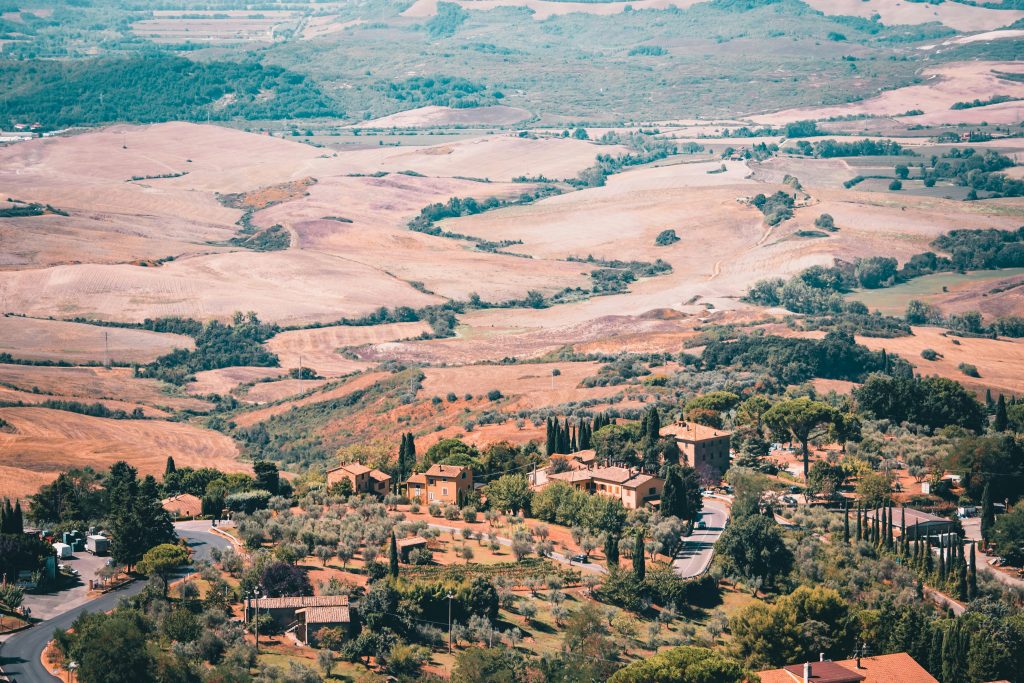
First, what does “rural regeneration Italy” actually mean?
At its simplest, rural regeneration Italy is the long, slow process of keeping small towns alive and well:
- People staying (or coming back)
- Homes being restored (not abandoned)
- Local businesses surviving (and ideally thriving)
- Skills and livelihoods returning
- Culture continuing as a living thing, not a museum performance
Italy has many rural villages facing depopulation. You don’t have to fix that (please don’t try). But you can be part of the ecosystem in ways that are surprisingly practical.
The uncomfortable truth: tourism isn’t automatically helpful
Short-term tourism can be lovely. It can also create:
- Seasonal boom-and-bust economies
- Lots of property conversions into holiday lets
- Jobs that are precarious and low-paid
- “Village as backdrop” energy
This is why slow travel matters. Slow travel Italy tends to distribute benefits differently: you stay longer, spend more locally, build relationships, and create a steadier rhythm.
Think less “consume the village,” more “become a temporary neighbour.”
The golden rule: stay longer than a weekend
If you want your presence to support rural regeneration Italy, length of stay is a huge lever.
A weekend in a rural village often means:
- You arrive, eat, leave
- You barely scratch the surface
- Your spending goes to one restaurant and maybe one souvenir
A longer stay (2+ weeks, ideally a month) means:
- You buy groceries locally
- You become a familiar face
- You learn how things actually work
You spend in multiple places, repeatedly
This is why seasonal stays and coliving can be such a helpful “middle path” between holiday and relocation.
If you’re curious what that kind of stay can look like in practice, this post is a good starting point: Coliving Italy: What a Seasonal Stay Actually Looks Like]
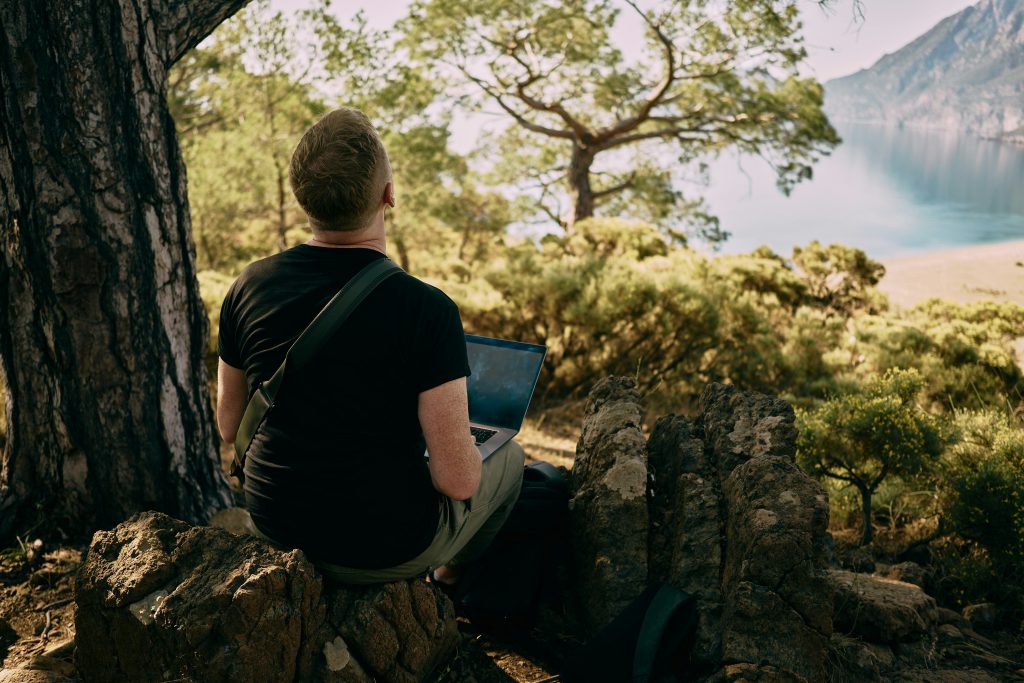
How remote workers can support small villages (without making it cringe)
Here are grounded ways remote workers can contribute to rural regeneration Italy without doing the whole “I’m here to change everything” thing.
1) Spend like a local, not like a tourist
Tourist spending often concentrates in obvious places. Local spending supports the whole web.
Try:
- Buying produce in local shops (even if they have “inconvenient” opening hours)
- Eating at the same cafe more than once
- Paying for services locally (tailor, hairdresser, handyman, mechanic)
- Asking locals what they recommend (then actually going)
Bonus: you will quickly discover Italy runs on relationships, not efficiency. It’s a feature, not a bug.
2) Learn 20 phrases of Italian and use them badly, bravely
Language is a bridge. You don’t need to be fluent – you need to be willing. And the locals will love you for it.
Even:
- “Buongiorno”
- “Come va?”
- “Mi scusi”
- “Grazie mille”
- “È buonissimo!”
…go a long way.
It signals respect, not perfection. A nod that local culture is important to you.
3) Choose accommodation that’s rooted in place
This is a big one.
Ask yourself:
- Is this stay supporting local livelihoods?
- Is it owned and run with care?
- Does it respect the village’s rhythm?
A good base doesn’t isolate you from the local world. It gives you access to it.
If you’re exploring a rural base designed for longer stays and remote work, you can browse seasonal stays here: Seasonal stays in Italy – La Vita Sukha
4) Be curious, not entitled
Rural places are not customer service experiences. They are communities.
A mindset that helps:
- Ask how things are done here
- Don’t assume your way is better
- Don’t complain loudly about “how slow everything is”
Yes, sometimes the post office will test your spiritual practice. That is Italy’s gift to you.
5) Offer skills through relationship, not performance
Remote workers often have useful skills: marketing, design, websites, accounting, language, systems, photography.
But please don’t arrive like:
“Hello, I am here to fix your village’s branding.”
Instead:
- Build relationships first
- Ask what’s actually needed
- Offer help in a way that feels reciprocal
Sometimes the most valuable contribution is simply being someone who shows up consistently and cares.
6) Support local events and seasonal culture
Want to support rural regeneration Italy? Show up when it’s not “Instagram perfect.”
Go to:
- Local festivals
- Village dinners
- Small exhibitions
- Volunteer clean-up days (if invited)
- Harvest moments
- The local market
The village is alive in the everyday. Not only in the highlight reel.
7) Don’t romanticise rural life, and don’t trash-talk it either
Two extremes to avoid:
- “This is paradise and everything is perfect.”
- “This is backward and nothing works.”
Both are ways of not seeing what’s actually there.
A healthier stance is: “This place has its own rhythm. I’m here to learn it.”
The “without being weird about it” list
Here are gentle, loving “please don’t” guidelines. You might laugh, but…we’ve all seen it.
- Don’t treat locals like props. Ask before taking photos. Not everyone wants to be content.
- Don’t call yourself a local after 10 days. You can feel connected without claiming belonging.
- Don’t try to reinvent village culture. Your job is to participate respectfully, not curate.
- Don’t complain constantly about the basics. If you need 24/7 convenience, choose a city.
- Don’t centre yourself as the hero. Rural regeneration is local-led by definition.
If you do find yourself slipping into “main character of the village” energy, go sit down with a coffee and quietly rejoin the human race.
What slow travel does better than fast travel
Slow travel Italy supports rural places because it tends to create:
- Repeat spending in multiple businesses
- Steadier cashflow patterns
- Deeper relationships and trust
- More respectful presence
- Less “take the photo and leave” energy
Slow travel also tends to change you (in a grounded way). You stop chasing novelty and start noticing details:
- How people greet each other
- How seasons change the food
- How time is used differently
If you’re feeling the slow-living pull, this one connects beautifully:
- Slow living Italy: what it really looks like
A note on gentrification and “accidental harm”
It’s possible to love a village and still contribute to pressures that make local life harder. This is where nuance matters.
A few practical considerations:
- Long-term stays and respectful rentals are generally better than constant short lets
- Restoring abandoned homes can be positive, but try to work with local craftspeople and suppliers
- Be mindful of price inflation dynamics (especially in tiny towns)
The goal of rural regeneration Italy is not turning villages into boutique experiences. It’s helping them remain liveable for the people who already call them home.
Where permaculture and land regeneration fit in (gently)
Not every remote worker wants to garden. But many people drawn to rural life do start asking:
- Where does my food come from?
- What does “sustainable living” actually look like?
- How do I care for land without turning it into an intense identity project?
That’s where regenerative living becomes practical:
- Composting
- Growing herbs
- Supporting local farmers
- Learning seasonal food culture
- Caring for water and soil
If you’re curious about Mediterranean growing specifically, these posts might be your rabbit hole:
Bringing groups to rural Italy (and doing it respectfully)
Groups can have a big impact – economically and socially – when done thoughtfully.
A retreat, workshop, or team offsite can support rural regeneration Italy by:
- Filling accommodation in shoulder seasons
- Creating work for local chefs, drivers, guides, craftspeople
- Bringing income beyond the standard tourist circuit
But the same rule applies: relationship over extraction.
If you’re an organiser, you might find this planning guide useful: How to Choose a Retreat Venue in Southern Italy – A Practical Checklist for Organisers
And if you’re looking for a rural venue base in southern Italy: Venue hire in Italy – La Vita Sukha
The simplest way to support rural regeneration Italy
If you want the short version, here it is:
- Stay longer
- Spend locally
- Learn a little language
- Be respectful and curious
- Build relationships
- Don’t act like you’re here to “save” anything
That’s it. That’s the whole thing. Rural regeneration isn’t one dramatic gesture. It’s many small choices repeated over time.
And honestly, it can be very joyful. Because the reward is not just “I helped.” The reward is belonging, in the most human, ordinary way: being known at the cafe, being greeted in the street, having your life slow down enough to feel it again.
Italy has a way of doing that.