
Without Starting a Small Diplomatic Incident
Retreat room allocation looks like a modest piece of admin until the replies arrive. One guest is a light sleeper. One is travelling with a friend but does not actually want to share with her. Someone needs a room near a bathroom. Someone else has written “easy either way” and then selected every available preference.
Welcome to the rooming list, where hospitality meets logic puzzle.
Getting the sleeping arrangements right matters because guests experience a retreat through small, physical things: whether they slept, found the bathroom at 2am and felt comfortable closing their bedroom door at the end of a sociable day.
Here is how to plan it without needing a whiteboard, three emergency espressos and the negotiation skills of a UN envoy.
Start With the Real Room List, Not the Maximum Capacity
A venue might “sleep 16”, but that number does not tell you how those people will sleep. It could mean doubles, twins, bunk beds, sofa beds or one heroic person volunteering for a folding bed beside the luggage.
Before selling places, ask the venue for a proper room list showing:
Room names or numbers
Bed sizes and possible configurations
Which beds can genuinely be separated into twins
Bathroom locations and whether any are en-suite
Stairs, steps and other access considerations
Rooms that are quieter, warmer or closer to communal areas
Storage space and whether doors lock
Any rooms needed for staff or facilitators
Photos and a floor plan help you understand the differences before guests pay for categories you cannot actually provide.
For more questions worth asking at this stage, use the retreat venue booking checklist.
Decide What You Are Selling Before You Open Bookings
Keep the room offer simple. Most retreats need no more than two or three clear options:
Private room: One guest has the bedroom to themselves
Shared twin room: Two guests have separate beds in one room
Double room: A couple or two guests who have explicitly agreed to share a double bed
If bathrooms are shared, say so. “Private room” does not secretly mean “private bathroom”, however much everyone would enjoy that plot twist.
Be equally clear about whether guests can choose their roommate, whether solo guests may be paired and whether room requests are guaranteed or handled as preferences. Put this on the sales page and repeat it in the booking confirmation. People skim when excited, then develop forensic reading skills when discussing bedrooms.
Price the Rooms Without Creating Arithmetic Theatre
Privacy and space can justify different prices. Decide the structure before launch, not halfway through bookings when three private rooms have vanished and your spreadsheet has begun making threats.
A sensible approach is to:
1. Set one price for shared rooms.
2. Add a clear supplement for private rooms.
3. Create a couple’s price only if double rooms genuinely suit your layout.
4. Build the budget around a realistic mix of bookings, not every bed selling perfectly.
Too many tiers create confusion. Guests should not need a flowchart to understand whether the “Premium Olive Room Plus” includes a bathroom or merely a decorative cushion.
The retreat budget guide can help you test the numbers before they meet the public.
Ask for Preferences Without Conducting an Interrogation
Use a short, private rooming form after booking. Ask only what you need to make a workable allocation.
Useful questions include:
Do you require step-free access or a room close to a bathroom?
Have you booked a private or shared place?
If sharing, is there someone you would like to room with?
Has that person agreed to the request?
Are you comfortable being paired with another guest?
Is there anything practical about sleep, noise or room location that would help us allocate well?
Do not infer who will be comfortable sharing based on names, ages, relationships or gender presentation. Let guests tell you. Equally, do not ask people to submit their entire medical history to justify a request. “What practical arrangement do you need?” is usually more useful than “Please explain your body in 400 words.”
Tell guests who will see their answers and how the information will be used. Rooming notes can contain personal details. They do not belong in the volunteer WhatsApp group beside the dinner rota and a GIF of a dancing aubergine.
Allocate Rooms in the Right Order
When the final guest list is stable, work through it in this order:
1. Access and safety needs
2. Room category each guest paid for
3. Mutually agreed roommate requests
4. Sleep and noise considerations
5. General preferences, where possible
Avoid assuming that friends want to share. Some do. Others have travelled together precisely because separate bedrooms keep the friendship alive.
Consider the team as well. The lead facilitator does not always need the grandest room, but placing the person responsible for the whole retreat beside the kitchen, boiler or late-night staircase is rarely an act of strategic genius.
If the venue and budget allow it, keep one bed or small room as a buffer for illness, a failed pairing or disrupted travel. Empty space may look inefficient on a spreadsheet. At midnight on day two, it can look positively majestic.
Confirm the Plan Without Broadcasting Everybody’s Business
Guests should know the room category they have booked immediately. You can send their exact room and roommate details once bookings are final, often two to four weeks before arrival.
Contact each guest privately. Share what they need to know, not the entire rooming spreadsheet. Nobody needs a PDF revealing who requested quiet, who snores or who wrote “absolutely no bunk beds” in capital letters.
If an allocation changes, tell the affected people promptly and explain the practical reason. A calm message now is better than a surprise beside a suitcase later.
Make Arrival Day Almost Boring
This is a compliment. After travel, guests want simple instructions, a bathroom and possibly a carbohydrate.
Prepare:
A final rooming list for the organiser and venue host
Clearly labelled rooms or keys
Simple directions through the property
A plan for luggage if rooms are not ready
Basic information about bathrooms, quiet hours and shared spaces
One named person who can solve room questions
Do not label doors with sensitive notes. “Maria – near bathroom due to mobility issue” is not a welcome sign. Use names or room numbers only, and keep the working notes private.
Then let people settle. A travel-weary guest does not need a 45-minute architectural tour while still wearing a backpack.
When a Guest Is Unhappy With Their Room
First, find out what the actual problem is. Lack of privacy, noise, access and feeling unsafe are different from preferring the view from another room.
Check what can change without displacing somebody else. Only swap roommates with everyone’s consent, and never reveal another guest’s private information.
Not every preference can be met. The goal is a fair, transparent process and a responsive conversation, not a promise that every person will receive the exact room they pictured while browsing Italy in a state of pre-retreat optimism.
Retreat Room Allocation at La Vita Sukha
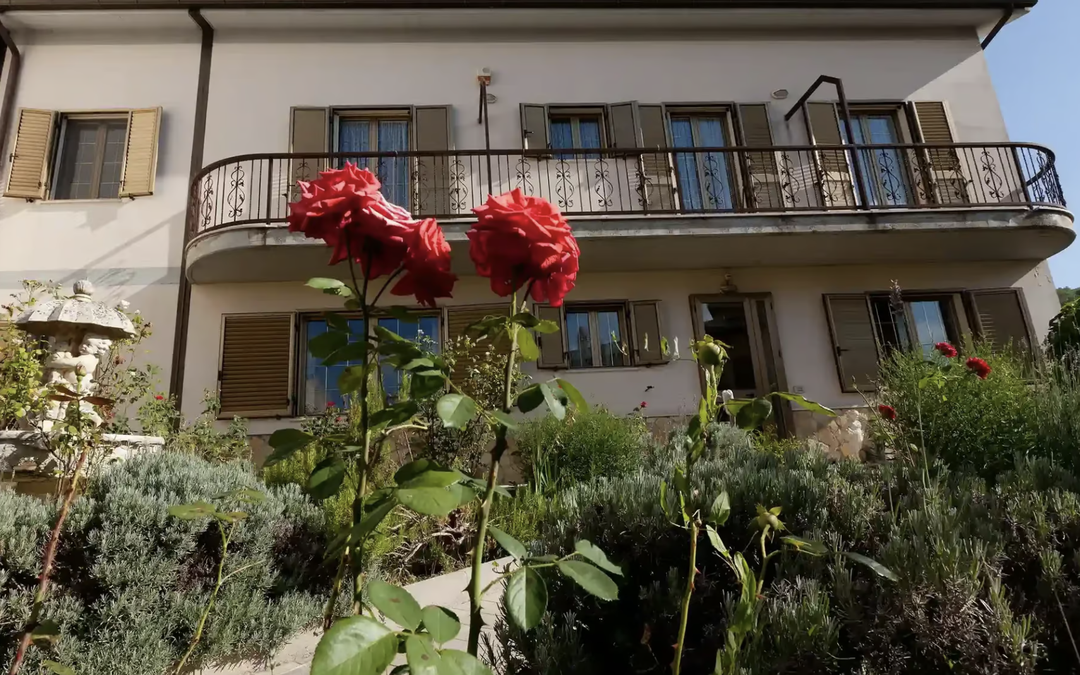
La Vita Sukha offers exclusive venue hire in Roseto Valfortore, with a mix of private and shared accommodation and generous communal spaces. Full capacity details and floor plans are shared on enquiry, so organisers can build a room offer that matches their group rather than relying on a single headline number.
We provide the space, accommodation and practical hosting, while organisers remain responsible for their programme and group dynamics. That clarity includes discussing room configurations early, before places are advertised and everybody becomes emotionally attached to an imaginary en-suite.
At La Vita Sukha, we’re exploring how coliving and seasonal stays, shared living, and rural village life can become part of a wider conversation around community and regeneration – without rushing the process or pretending it’s all neatly figured out.
That wider relationship with place can include local meals, village businesses and time beyond the villa. A sensible room plan supports it in the least glamorous but most useful way: people sleep well enough to enjoy where they are.
You can explore venue hire at La Vita Sukha and ask for the current room details for your dates and group size.
The Rooming List Is Part of the Guest Experience
Good retreat room allocation is not about finding a magical arrangement in which everybody gets the largest room. It is about matching real people to a real building with clarity, privacy and a little foresight.
Confirm the layout before selling. Keep your room categories simple. Ask practical questions. Protect personal information. Leave a buffer if you can.
Then close the spreadsheet and go and plan something more glamorous, like snacks. Nobody has ever regretted planning the snacks.