
Why the Bakery Matters More Than You Think
Imagine a village with beautifully restored houses, excellent broadband and not a single place to bump into anybody.
The roofs are sound. The Wi-Fi could launch a satellite. The streets are immaculate.
And yet, after six o’clock, there is nowhere to sit, chat, hear the news, buy bread or discover that somebody’s cousin can repair the thing you have spent three hours trying to fix with an online tutorial.
That village may look regenerated. But is it alive?
This is where social infrastructure in rural communities enters the conversation. It sounds like something involving concrete and a committee. In reality, it often looks like a bar, bakery, bench, village hall, sports club, small shop or weekly market.
These ordinary places help people keep meeting. Repeated, low-pressure contact helps turn a collection of buildings into a community.
1.What is social infrastructure?
Physical infrastructure helps a place function. Think roads, water, transport and broadband.
Social infrastructure describes the places and shared settings that help relationships function. They give people reasons to leave the house, recognise one another and exchange more than a hurried buongiorno through a car window.
The term includes formal public spaces and deeply everyday places:
Cafés where regulars notice an absence
Shops where a two-minute purchase becomes a thirty-minute conversation
Squares where several generations sit, walk and chat
Libraries, parish rooms and community halls
Parks, playgrounds and sports clubs
Markets, festivals and recurring local gatherings
Benches with no booking system, mission statement or artisanal hand soap
The EU’s work on rural revitalisation specifically highlights local friendly spaces and social capital as part of stronger rural communities. Its long-term vision for rural areas also recognises that liveability is social as well as economic.
In other words, the village bench may be doing more development work than its annual maintenance budget suggests.
2.The bakery is not just selling bread
A small local business often performs several jobs at once.
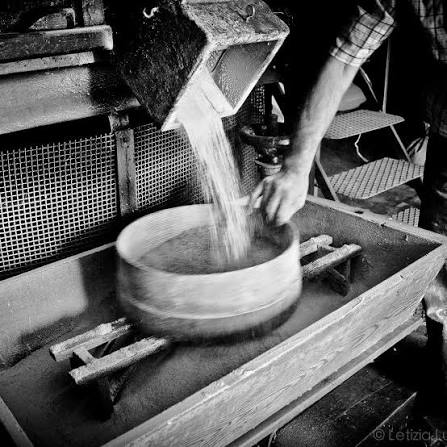
Yes, the bakery sells bread. It may also pass on local information, create a daily meeting point, employ somebody nearby, buy from other suppliers and provide a familiar rhythm. People know when it opens, who works there and which loaf will be gone if they arrive late.
That predictability matters. Community is not built only through big events and a microphone that makes alarming noises. It is built through repetition.
You see the same person on Tuesday. Then Friday. The following week, they ask whether your family arrived safely. A month later, you no longer need to explain which bread you want.
Nothing dramatic has happened, yet you are slightly less anonymous.
This is why a bar, grocer or hairdresser can be both a business and a social anchor. Its value cannot be measured only by what passes through the till.
3.When one place closes, several things disappear
The closure of a village shop is easy to describe as a commercial problem: not enough customers, rising costs, no successor.
But the loss is rarely commercial alone.
The person without a car now has to travel further. The older resident loses a regular conversation. A newcomer loses an easy place to practise Italian without announcing, “Hello, I am now integrating.” Local producers lose an outlet. News travels differently. The street becomes quieter.
The OECD’s research on services in towns and villages shows how access varies sharply by where people live, with rural residents often travelling farther for essential services. Digital access helps, but it cannot replace every physical service or every human encounter.
You can order toothpaste online. The delivery box will not ask whether your mother is feeling better.
That does not mean every business should be preserved exactly as it was. Rural places change, and a new use may keep a space relevant. A shop might combine groceries, postal services and a café. A disused room might become a workshop or shared workspace.
The useful question is not, “How do we freeze this place in time?”
It is, “What everyday functions and relationships must not quietly vanish?”
4.Rural regeneration needs unglamorous places
Regeneration photographs tend to favour stone walls, restored doors and heroic before-and-after shots.
Social infrastructure is less obedient. It includes mismatched chairs, handwritten notices, fluorescent lighting and somebody watching a football match at a volume last experienced during a minor volcanic event.
Still, these spaces may be where belonging is practised.
Not everybody joins a formal community project. Many people connect through errands, routines and chance encounters. That matters for people who do not yet have a local network.
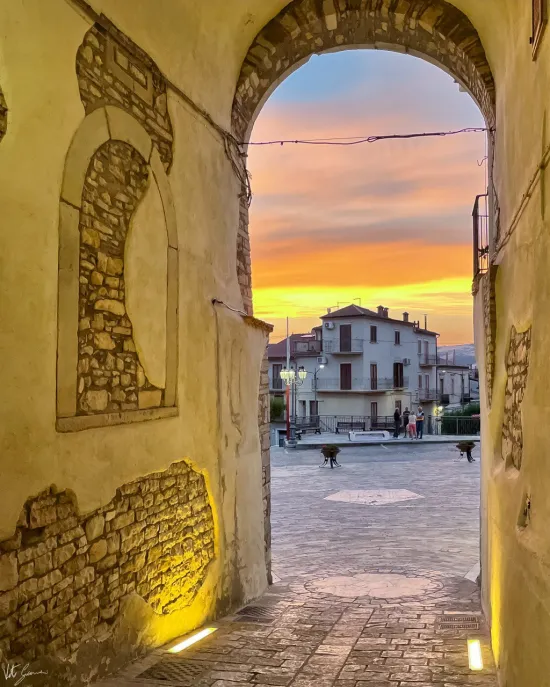
A healthy village needs both planned activity and somewhere life can simply happen.
This adds another layer to what rural village regeneration actually means.
Restored homes and new livelihoods matter. So do the small places that allow existing residents, returners, seasonal neighbours and visitors to share daily life without requiring a name badge.
5.How visitors and seasonal residents can support the social fabric
Nobody needs to enter a village café carrying a clipboard marked COMMUNITY RESILIENCE.
The most helpful actions are usually much simpler:
Return to the same places instead of treating every purchase as a quest for novelty
Buy small things locally and regularly, not only one impressive dinner
Learn names, opening times and a few useful phrases
Attend public events when genuinely welcome
Pay fair prices rather than treating every transaction as a sport
Ask before photographing people or turning local life into content
Recommend good businesses accurately and with permission
Accept that conversation may take longer than the errand
Consistency beats one grand gesture. A seasonal resident who buys bread twice a week and returns the following year may contribute more than somebody who arrives with a village-saving concept and leaves before the chairs are stacked.
There is a distinction here between participation and performance.
Participation says, “I am here often enough to learn how this place works.”
Performance says, “Please gather around while I demonstrate how much I care.”
Villages have excellent performance-detection systems. They are usually sitting near the bar.
6.What hosts and local projects can do
Accommodation providers, retreat organisers and rural projects can help guests cross the invisible gap between staying near a village and spending time within it.
That might mean:
Sharing an honest list of local businesses and their current opening hours
Explaining local customs without turning residents into attractions
Using local cooks, guides, drivers, artisans and suppliers
Scheduling visits or workshops collaboratively and paying properly
Encouraging longer stays that allow repeat contact
Leaving enough free time for guests to wander, return and become familiar
The aim is not to programme every interaction. Nobody needs a compulsory 4.15pm Authentic Spontaneous Coffee Encounter.
It is to make participation easier while respecting the people whose ordinary life is not a visitor experience.
7.Where La Vita Sukha fits
La Vita Sukha sits within the life of Roseto Valfortore, not on an imaginary blank page beside it. The villa can offer accommodation, workspace and room to gather, but the wider experience of place includes the village, its businesses, its rhythms and the relationships that already exist there.
At La Vita Sukha, we’re exploring how coliving and seasonal stays, shared living, and rural village life can become part of a wider conversation around community and regeneration – without rushing the process or pretending it’s all neatly figured out.
For guests, that can begin simply: staying long enough to recognise people, supporting local businesses and joining an activity when invited.
It may look like going back for the same coffee.
This approach connects naturally with coliving and seasonal stays at La Vita Sukha, where longer stays create more space for village life to become part of the experience rather than scenery glimpsed between excursions.
8.A useful test for any regeneration plan
When considering a rural project, ask:
Where do people meet without having to organise it?
Which places welcome different ages and incomes?
What would residents lose if a particular business closed?
Can somebody participate without spending much money?
Are newcomers being connected with existing life or kept in a separate bubble?
Is the project adding reasons to gather, or only nicer places to sleep?
These questions are not as thrilling as unveiling architectural drawings. They are good at revealing whether a plan is designed for village life or simply village aesthetics.
9.Final thought
Rural regeneration needs homes, work, transport, land care and reliable services.
It also needs places where somebody can say, “You weren’t here yesterday. Everything all right?”
That small question is social infrastructure in action. It cannot replace healthcare, housing or economic opportunity. But it helps create the relationships that make a place feel inhabited, responsive and worth investing in.
So yes, restore the roof. Improve the broadband. Support new livelihoods.
And while you are at it, buy the bread.