
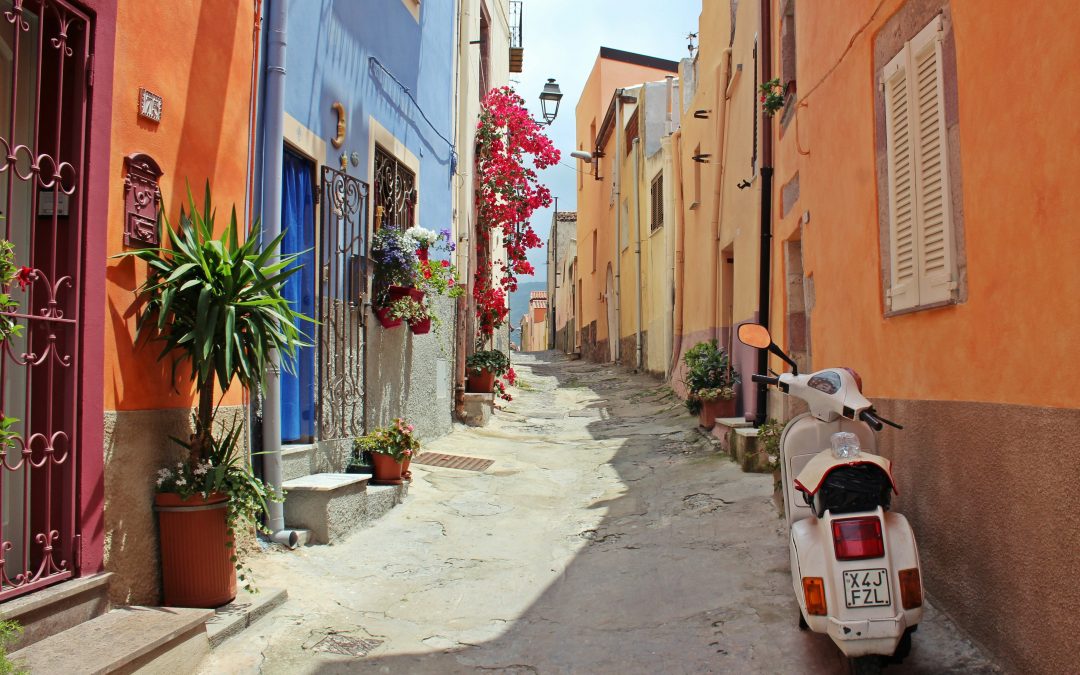
If you’re thinking about hosting a retreat in Italy, I’m excited for you.
Italy has a way of turning even the simplest week into something memorable: the food, the landscapes, the long dinners where everyone suddenly becomes best friends, and the morning light that makes you consider moving here permanently (until you remember admin exists).
But let’s be real: a beautiful retreat is rarely an accident.
Behind every “effortless” retreat is an organiser who has quietly handled 73 moving parts, including at least one participant who asks, “Is there a hairdryer?” exactly 14 minutes before takeoff.
So, to save your nervous system (and your WhatsApp storage), here’s a practical, step-by-step timeline for hosting a retreat in Italy, from 6 months out to arrival day.
Use it like a checklist.
Adapt it to your style. And please, for the love of all things holy, do not leave transfers to the last minute.
If you’re still choosing a venue, these two posts help:
- Retreat venue selection checklist: https://lavitasukha.com/retreat-venue-southern-italy/
- 17 questions to ask before you book: https://lavitasukha.com/retreat-venue-hire-italy-questions/
And if you’re looking at venues in southern Italy, you can view La Vita Sukha’s venue hire overview here:
6 months out: pick the bones of the retreat
This is where you decide what you’re actually creating. Not the colour palette. Not the tote bags. The bones.
- Outcome: What do people leave with, realistically? (Clarity, rest, confidence, skills, connection, a nervous system that no longer screams.)
- Format: Yoga retreat, writing retreat, leadership retreat, wellbeing reset, creative intensive, team offsite, hybrid workation?
- Group size: What number keeps it intimate and workable for you?
- Dates: Check seasons, local holidays, and travel patterns.
- Budget: Calculate your minimum viable profit or break-even point, and be honest.
Italy tip: summer is not always your friend. July and August can be intense (heat + crowds + pricing). Shoulder seasons are often easier for retreats, easier for bodies, and generally kinder to budgets.
5 to 6 months out: lock the venue and key logistics
Once you’ve chosen a venue, get the practicals in writing. The earlier you get clarity, the fewer surprises later.
- Contract: Confirm payment schedule, deposit, cancellation terms, and what’s included.
- Capacity: Confirm the comfortable capacity, not just the maximum.
- Room list: Get a clear breakdown of room types, beds, bathrooms, and any shared arrangements.
- Spaces: Confirm where sessions happen (and the bad-weather backup).
- Wi-Fi: Confirm speed and coverage if anyone is working or if you need streaming/music.
If you’re doing retreat venue hire in Italy, this is also the moment to ask about:
- Noise expectations (especially evenings)
- Quiet hours (many rural areas are…quiet, and the locals like it that way)
- Any restrictions around amplified music
4 months out: set pricing and open bookings
This is the “make it real” phase. The sooner people can book, the calmer you’ll feel.
- Pricing: Decide tiers (early bird, standard, payment plan).
- Inclusions: Spell out what’s included in human language.
- Exclusions: Also spell out what’s not included (flights, transfers, excursions, massages, etc.).
- Booking system: Simple is best. A landing page + payment link + intake form can be enough.
- Cancellation policy: Be clear and kind, but not vague.
Pro tip: people don’t read. They skim. So repeat key info in three places:
- Sales page
- Booking confirmation email
- Pre-arrival info pack
3 months out: food plan and daily rhythm
Food makes retreats. Not in a “foodie” way, but in a “people feel held” way.
Decide your catering approach:
- Fully catered with a chef
- Catered dinners only, light breakfasts
- Self-catered (only if your group truly wants this)
- A mix (often the sweet spot)
Then confirm:
- Dietary requirements process (how and when you collect them)
- Meal times (and how this supports your schedule)
- Snacks, tea, coffee, hydration (the small things that keep everyone regulated)
If your venue is in Puglia and you want some local context for the region while you plan, the official tourism portal can be handy for general orientation:
10 to 12 weeks out: build your retreat “operating system”
This is the behind-the-scenes stuff that makes you look like a calm goddess on day one.
- Schedule: Draft a realistic flow for each day.
- Buffer time: Add more than you think you need.
- Arrival day: Keep it light. Everyone arrives travel-wobbly.
- Free time: Yes, schedule it. People need integration.
- Team roles: If anyone is helping, define who does what.
This is also where you plan the emotional pacing. A classic mistake when hosting a retreat in Italy is packing the schedule like it’s a productivity conference. Italy is not a productivity conference. Italy is a slow exhale.
8 weeks out: transfers and travel info
This is where retreats can quietly fall apart if you ignore it.
- Closest airports: Choose 1-2 main arrival airports and recommend them.
- Transfer options: Private transfers, shared shuttles, rental cars, taxis.
- Arrival window: Encourage people to arrive within a set time range if you’re arranging group transfers.
- What to pack: Include footwear, layers, adapter plugs, and any “rural realities” (like cooler evenings).
If you want a high-authority source for general Italy travel planning, ENIT is useful:
6 weeks out: your comms pack (make it idiot-proof)
I say this with love: when people are excited, they stop thinking.
Create a simple pre-arrival pack that includes:
- Getting there (step-by-step)
- What’s included
- What’s not included
- What to bring
- Daily rhythm highlights
- House guidelines (quiet hours, shared spaces, respect for the venue)
- Emergency contact info
Add one line that saves your sanity:
- “If you have a question, check this pack first.”
You will still get questions. But fewer.
4 weeks out: confirm everything, gently but firmly
Now you go into confirmation mode.
- Final numbers: Confirm headcount and room allocations.
- Payments: Confirm who has paid and who hasn’t (and follow up).
- Dietary list: Send it to the chef/venue.
- Schedule: Finalise the daily flow.
- Supplies: Confirm yoga mats, props, projector, speaker, flip chart, etc.
- Insurance and waivers: Consider what’s appropriate for your retreat style and activities.
If you’re running a yoga retreat, remember:
- People will forget their mat even if you tell them 12 times.
- Someone will ask for an extra blanket during savasana.
- The true spiritual practice is staying calm.
2 weeks out: the “what could go wrong” audit
This is where you become lovingly paranoid.
- Weather: What’s your plan if it rains for two days?
- Transport: What’s the backup if a flight is delayed?
- Medical: Where’s the nearest pharmacy? Doctor? Emergency number?
- Tech: Do you have spare adaptors, extension leads, and a backup speaker?
- Food: Do you have a plan for hungry people between meals?
And please:
- Test your playlists offline. Italy has many gifts. “No signal in the middle of your opening ceremony” is one of them.
1 week out: your personal energy plan
This is the part nobody tells organisers, but it matters.
Before you host, decide:
- When you’ll rest
- When you’ll eat properly
- When you’ll be off your phone
- Who you call if you feel overwhelmed
Because you can’t hold a group if you’re running on fumes and espresso adrenaline.
Arrival day: keep it simple and warm
The arrival day sets the tone. Your job is to make people feel safe, oriented, and welcomed.
A great arrival flow:
- Welcome drink or tea (simple, grounding)
- Room settling time (do not start with a 90-minute circle)
- Short orientation (house basics, schedule, meal times)
- Gentle opening circle (30-45 mins max)
- Dinner
- Early night
If you want a group bond fast, don’t force it. Italy does it for you. Put people around a table with good food and let the magic happen.
During the retreat: the 5 things that make it feel effortless
Even if you’re doing a lot behind the scenes, these create the “wow, this is so well held” feeling:
- Consistency: Similar rhythm each day.
- Simplicity: Fewer moving parts than you think you need.
- Space: Enough downtime to integrate.
- Clarity: Clear start times, clear expectations.
- Presence: Your nervous system sets the tone.
After the retreat: don’t skip the part that builds your next one
This is where your future bookings come from.
Within 72 hours:
- Thank-you email
- Feedback form (short and easy)
- Photo share link (if you have photos)
- Soft invitation to stay connected (newsletter, Instagram, future retreats)
And for yourself:
- Write down what worked while it’s fresh.
- Note what you’ll change next time.
- Celebrate. Seriously. You just hosted a retreat in Italy. That’s not nothing.
If you’re looking for a venue in southern Italy
If you’re in the “I want a venue that’s beautiful but also practical” stage, you can explore La Vita Sukha’s venue hire here: https://lavitasukha.com/venue-hire-italy/
And if you want extra support choosing the right space, these posts are designed to make the decision easier: