

Choosing retreat dates sounds simple until you open a calendar.
Suddenly you are juggling school holidays, flight prices, venue availability, the likelihood of rain and one participant who says, “I can do absolutely any week except all the weeks you have suggested.”
So, when is the best time to host a retreat in Italy?
The mildly inconvenient answer is: it depends on the retreat.
The best month is not simply the one with the most sunshine. It is the one that supports the experience you are trying to create, without requiring you to battle the weather, the crowds or twelve overheated nervous systems.
Also, Italy is not one climate wearing a linen shirt. A coastal venue in Sicily, a villa in Tuscany and a mountain town in rural Puglia can feel very different on the same date. Always ask the venue what the season is actually like there, rather than placing your faith entirely in a weather app with an alarming sun icon.
The short answer: late spring and early autumn usually win
For many retreats, May to early June and September to early October offer the happiest balance. Days are often suited to outdoor sessions, travel can feel less frantic than in peak summer and the landscape still has plenty to contribute.
Before choosing your dates, ask:
- What will guests spend most of the day doing?
- How much of the programme needs to happen outdoors?
- Is the pool central to the experience or merely a very attractive supporting actor?
- Do you want quiet village life or a livelier holiday atmosphere?
- How flexible is your audience around work and school calendars?
- What is your realistic budget for the venue, catering and travel?
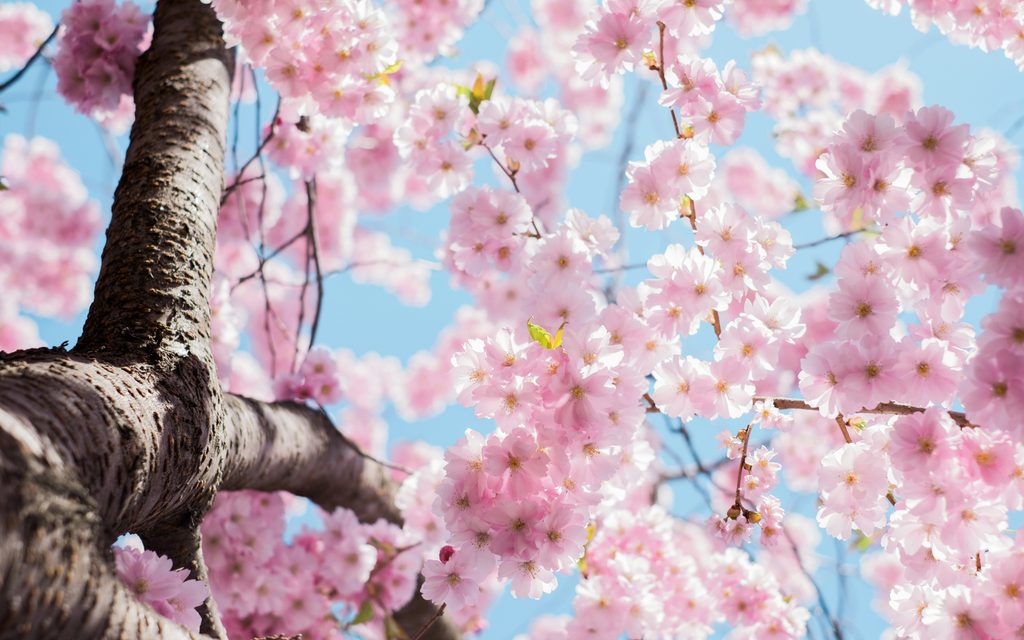
Spring retreats in Italy: fresh energy and occasional meteorological theatre
Spring suits retreats built around renewal, movement, creativity and time outdoors. In rural areas, the land is waking up, days are lengthening and everything can feel gloriously alive.
May and early June are particularly appealing for yoga retreats, creative residencies, nature-based gatherings and team offsites, with outdoor space by day and indoor options for the evening.
Early spring can be beautiful too, but it may be changeable. If you choose March or April, plan for layers, rain and the possibility of experiencing three seasons before lunch. Your bad-weather option should be a genuine part of the programme, not a hopeful note reading, “We will simply manifest sunshine.”
Best suited to:
- Yoga and wellbeing retreats
- Creative and writing retreats
- Nature-based gatherings
- Leadership and strategy offsites
Summer retreats in Italy: long evenings, pool days and strategic shade
Summer brings energy. There are long days, warm evenings and the kind of communal dinners that begin at sunset and somehow end when someone starts discussing the meaning of life over the last piece of focaccia.
For celebratory gatherings, movement retreats with plenty of water and downtime, or groups who actively want a summer-holiday feeling, it can be wonderful.
It can also be hot, busy and more expensive to reach. July and August demand sensible pacing, especially in southern Italy. Put active sessions in the morning, protect the middle of the day, provide shade and water, and resist the urge to schedule vigorous outdoor breathwork at 2pm. Transformation is lovely. Turning everybody into soup is less ideal.
August also includes Ferragosto on 15 August, a major Italian public holiday. Offices and some businesses may close, while popular destinations become busier, so confirm suppliers and transfers well in advance. The official Italia.it public-holiday guide is useful when checking dates.
Best suited to:
- Pool-centred wellbeing breaks
- Celebrations and social gatherings
- Retreats with a spacious, low-intensity schedule
Autumn retreats in Italy: warmth, depth and fewer inflatable flamingos
September is often a beautiful bridge between summer and autumn. There can still be warmth and long light, but the overall rhythm begins to soften. By October, the atmosphere becomes more inward, making it a natural fit for reflection, learning and focused group work.
Autumn works especially well for writing retreats, leadership gatherings, nervous-system-friendly programmes, food and culture experiences, and anything that benefits from a little more depth and a little less peak-season commotion.
In Puglia, the season also brings a quieter, more intimate way of experiencing towns and nature. Italia.it describes autumn in Puglia as a time for mild weather, slower exploration and the region’s more authentic side, which is a fairly elegant way of saying that you may encounter fewer inflatable flamingos.
Pack layers and keep an indoor option available, particularly later in the season. Inland evenings can cool quickly after a warm afternoon.
Best suited to:
- Writing and creative retreats
- Team offsites and leadership work
- Slow-living and wellbeing programmes
- Food, culture and village-based experiences
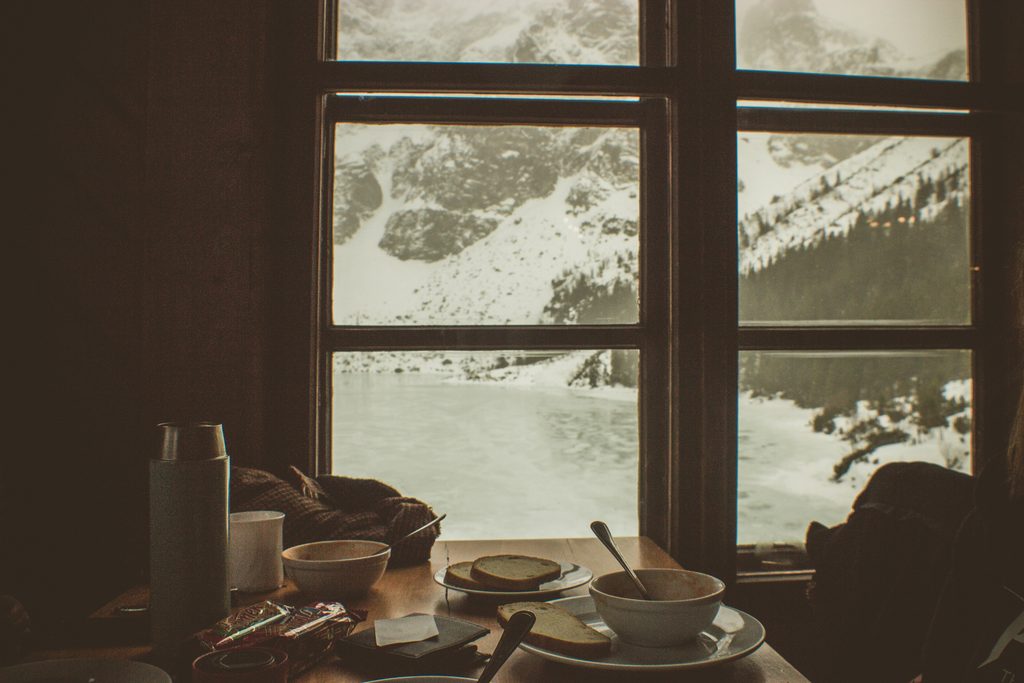
Winter retreats in Italy: quiet, intimate and venue-dependent
Shorter days, quieter surroundings and cosy indoor spaces can suit writing, planning, reflection and small-group work.
But winter is not automatically a bargain version of summer. Heating matters. Indoor space matters. Travel may be less predictable. Some rural venues and local suppliers close seasonally, so you need to check what is genuinely available rather than assuming the chef, driver and nearby restaurant will all emerge on command.
La Vita Sukha closes from November to March, using the quieter months for rest, maintenance and preparing the land and house for the next season. Other venues operate differently, so ask early.
Best suited to:
- Small writing or planning retreats
- Intimate leadership gatherings
- Rest and reflection programmes
Match the season to your retreat’s real purpose
The most useful question is not, “Which month looks prettiest in photographs?” It is, “What conditions will help this group do what they came here to do?”
If people need energy and play, summer might be perfect. If they need concentration and gentle outdoor time, May or September may serve them better. If your work is linked to land, food or rural life, choose a season when guests can encounter those things rather than merely hearing about them beside a projector.
The season becomes part of the facilitation. Heat changes pace. Rain creates intimacy. Long evenings encourage sociability. Cooler mornings invite reflection. Good retreat design works with these qualities instead of behaving as though every week of the year is an air-conditioned conference room.
Five things to confirm before you book your dates
Once you have a season in mind, ask the venue:
- What does the property and surrounding area feel like at that time of year?
- Which indoor and outdoor spaces will actually be available?
- Are the pool, local restaurants, activity providers and catering partners operating?
- Do rates or minimum-stay requirements change by season?
- What is the realistic weather and transport backup plan?
For a fuller planning process, read Hosting a Retreat in Italy: A Step-by-Step Timeline, Retreat Venue Hire in Italy: Questions to Ask Before You Book and the realistic retreat budget guide.
Choosing dates at La Vita Sukha
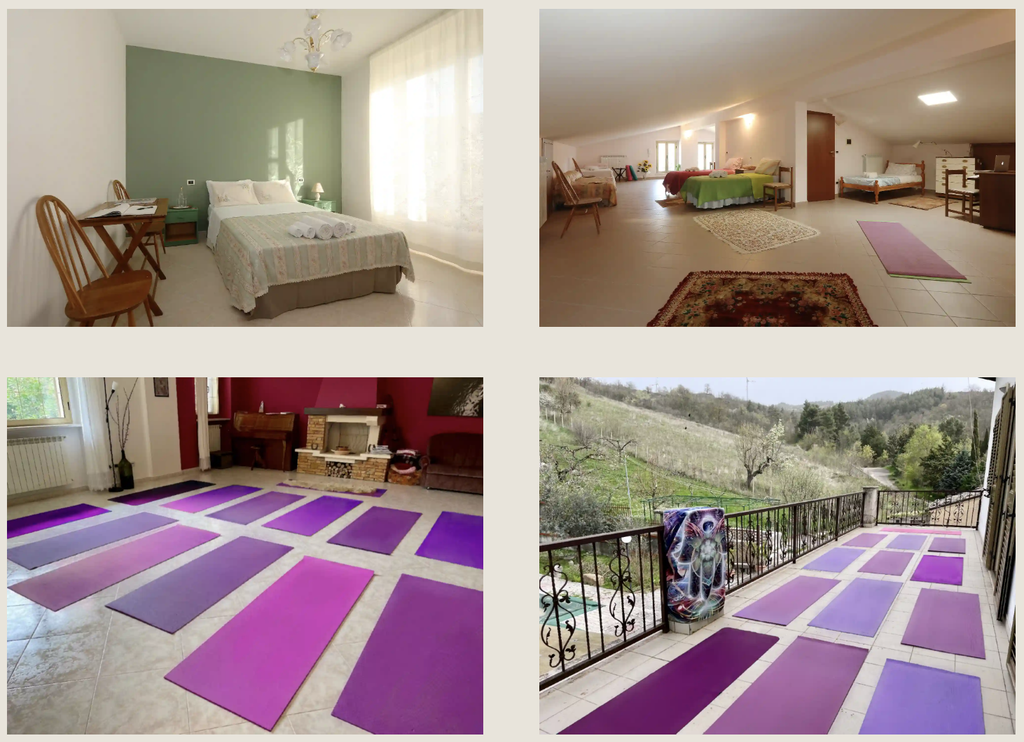
La Vita Sukha is an exclusive-use retreat venue in Roseto Valfortore, an inland village in the Monti Dauni hills of rural Puglia. At around 700 metres above sea level, the setting has a different rhythm from the coast, including cooler evenings after warm days.
Late spring is green, active and well suited to outdoor practice. Summer brings pool time and long evenings. September and October offer a calmer atmosphere for retreats, workshops and team gatherings that want to combine focused time with village life.
The villa has indoor and outdoor communal spaces, reliable fibre internet, flexible accommodation for up to 20 guests and optional support with food and transfers. A partner venue directly opposite expands total capacity to 32 guests across 11 bedrooms.
At La Vita Sukha, we’re exploring how seasonal stays, shared living, and rural village life can become part of a wider conversation around community and regeneration – without rushing the process or pretending it’s all neatly figured out.
When organisers work with local cooks, drivers, shops, restaurants and craftspeople, a retreat does more than occupy a beautiful building. It forms a practical relationship with the place hosting it.
You can explore venue hire at La Vita Sukha and ask us what different dates feel like in practice. We will give you the honest version, including whether you need sandals, a jumper or the emotional resilience to accept both.
Final thought
The best time to host a retreat in Italy is when the place, the programme and the people can support one another.
Choose the season with the whole experience in mind. Build a weather plan that does not rely on optimism alone.
Then let Italy do what it does best: turn a simple meal into a three-hour event and somehow make it feel like part of the curriculum.