
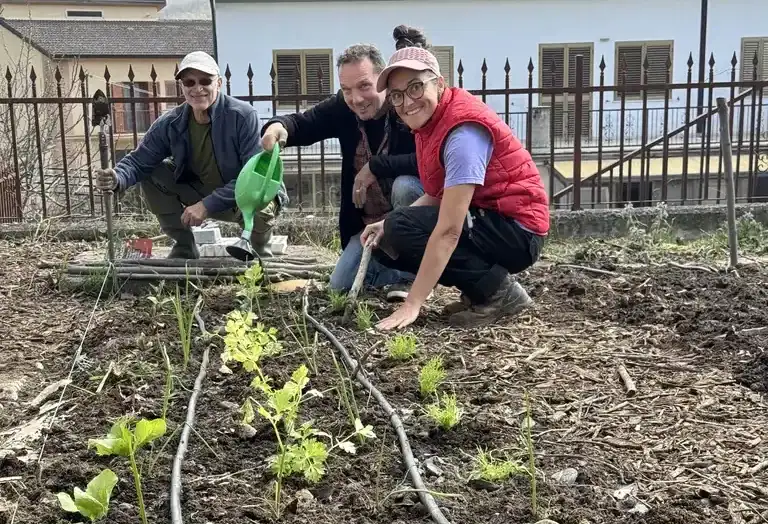
If you’re exploring permaculture Italy, there’s a good chance you’re drawn to a simpler, more grounded way of living – one that’s connected to land, seasons, and real nourishment.
The good news is: Italy offers incredible potential for regenerative growing.
The more honest news is: much of Italy also sits in a Mediterranean climate, which has its own rules – and beginners often learn them the hard way.
This guide is here to help you start well. No overwhelm, no perfectionism.
Just the fundamentals that make permaculture Italy work in real life: water-first design, soil building, smart timing, and plant choices that actually suit dry summers.
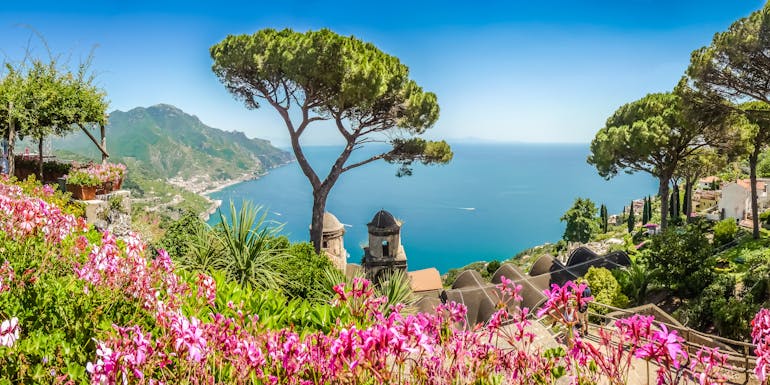
Mediterranean climate basics–why your garden behaves differently here
A Mediterranean climate typically means:
- Wet-ish autumns and winters
- Dry, hot summers
- Big swings between seasons
- Local microclimates shaped by wind, altitude, slope, and proximity to the sea
In practice, Mediterranean climate gardening rewards people who plan around summer drought. If you come from northern Europe, the UK, or anywhere with summer rain, the biggest learning curve is this:
In Mediterranean climates, you don’t “water a garden into health.” You design for water and resilience from the start.
That’s the core of permaculture Italy done well: setting up systems that reduce water demand, protect soil, and favour plants adapted to the conditions.
The most common beginner mistakes in permaculture Italy
Before we get into what to do, here are the traps that cost beginners the most time, money, and energy:
- Planting in spring, then fighting summer stress
- Leaving soil bare (bare soil = evaporation + weeds + soil life decline)
- Overbuilding too early (swales/terraces/structures before you’ve observed the land)
- Choosing thirsty plants first instead of climate-adapted perennials
- Trying to do everything at once and burning out
The antidote: start small, observe first, build resilience step by step.
Permaculture Italy starts with observation (not planting)
A classic permaculture principle is “observe and interact.” In Italy, it’s not just philosophy – it’s practical.
Before you dig anything major, spend time mapping:
- Sun: where full sun hits in summer vs winter
- Wind: strong prevailing winds can dry plants fast
- Water flow: where rain runs, pools, or erodes
- Frost pockets: cold air settles in low spots
- Existing vegetation: what’s thriving already is a clue
Even one season of paying attention can save you from designing against the land.
If you want a clear set of permaculture principles to ground your approach, this is a helpful reference: Holmgren’s Permaculture Principles
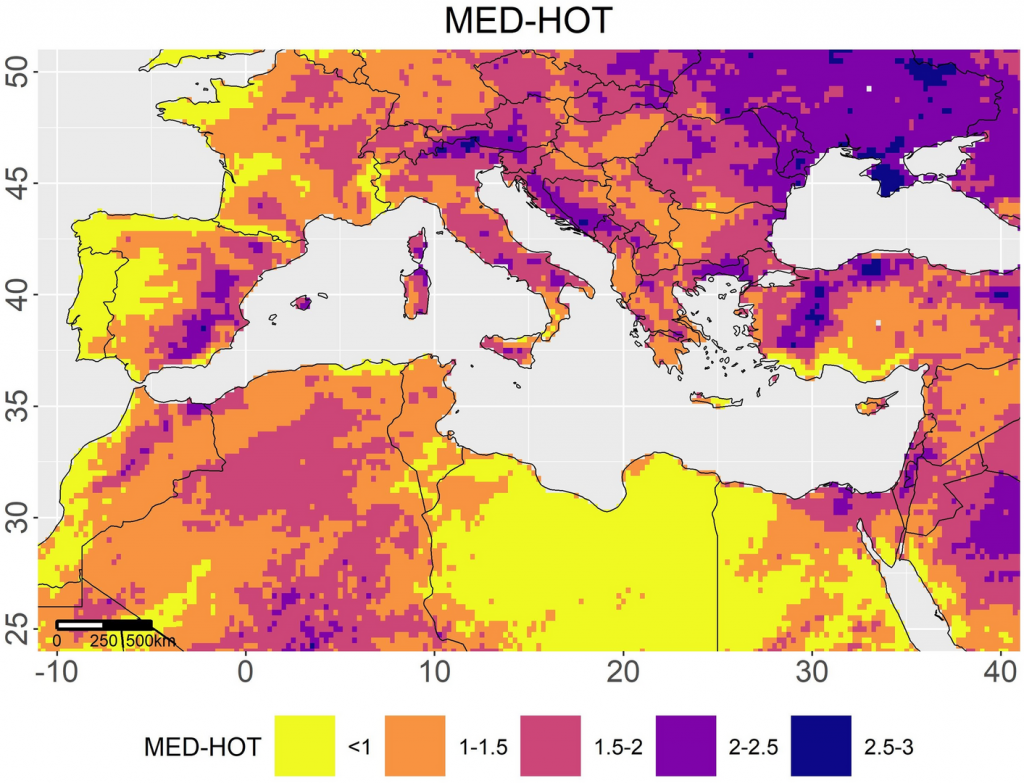
Water-first design (the heart of Mediterranean climate gardening)
If there’s one thing to prioritise in permaculture Italy, it’s water.
Not “watering more” – designing so you need less.
1. Slow, spread, sink
The goal is to keep rain on your land longer:
- Slow it down
- Spread it out
- Encourage it to sink into the soil
Depending on your site, this can involve:
- Contour-based planting
- Gentle earth shaping
- Terraces or swales (where appropriate)
- Stone lines or small berms
- Planting to stabilise slopes
A quick note: rules and feasibility can vary by commune/region, especially for larger earthworks. If you’re doing anything significant, check local guidance.
2. Mulch like it’s your job
Mulch is one of the cheapest “water tools” you have. It:
- Reduces evaporation
- Protects soil biology
- Buffers temperature swings
- Suppresses weeds
For Mediterranean climates, avoiding bare soil is a big win.
3. Shade is water conservation
Strategic shade reduces plant stress and soil evaporation:
- Use trees, trellises, or shade cloth in early years
- Plant taller “nurse plants” to protect tender ones
- Think in layers (groundcover, shrubs, trees)
This is where food forest Mediterranean thinking really shines – not as a trendy concept, but as a microclimate strategy.
For broader context on drought, water, and climate patterns in Europe (useful for understanding the bigger trends), the European Environment Agency is a strong resource: European Environment Agency – Water & drought
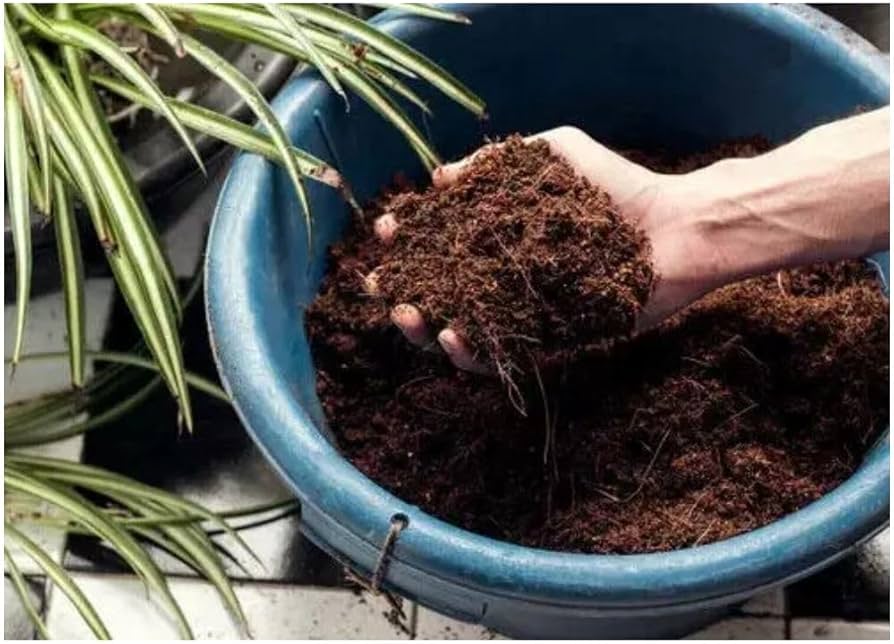
Soil building (the quiet superpower of permaculture Italy)
In Mediterranean climates, soil is either your ally or your constant struggle. Healthy soil:
- Holds more water
- Buffers heat
- Supports stronger roots
- Reduces pest/disease vulnerability
Start with these basics:
Compost and organic matter
Add organic matter consistently:
- Compost
- Well-aged manure (if available)
- Leaf mold
- Compost teas (optional, not essential)
Cover crops (especially over winter)
In many parts of Italy, winter is when you can grow soil:
- Sow cover crops in autumn
- Chop-and-drop in spring
- Let roots and biomass feed the soil
Keep soil covered
Use:
- Mulch
- Groundcovers
- Living pathways
- Straw / wood chips
Soil building is unglamorous – and it’s what makes permaculture Italy actually workable long term.
Plant choices that suit permaculture Italy
A beginner-friendly approach is to start with Mediterranean-adapted perennials and tough support plants, then add more tender things as your microclimates improve.
Examples of commonly well-adapted Mediterranean plants include:
- Olives, figs, pomegranates, grapes
- Rosemary, lavender, thyme, sage
- Almonds (site-dependent), carob (warmer sites)
Your specific choices should match your microclimate, altitude, wind exposure, and water reality – but the guiding principle is the same: choose plants that want to live where you are, not plants you must constantly rescue.
That mindset keeps growing food in Italy enjoyable rather than exhausting.
Timing: when to plant in a Mediterranean climate
One of the biggest “aha” moments in Mediterranean climate gardening is this: autumn planting often beats spring planting.
Why?
- Soil is still warm
- Rains begin
- Roots establish through winter
- Plants are stronger going into summer
Spring planting can work, but it usually requires more irrigation and protection in the first summer.
A simple rule of thumb for permaculture Italy beginners:
- Plant trees/perennials in autumn if you can
- Use spring for soil building, mulching, and infrastructure
- Prepare for summer like it’s the main event
Heat, wind, and fire resilience (the practical reality)
Depending on region, summer can bring:
- Heatwaves
- Dry winds
- Fire risk in surrounding landscape
Practical steps:
- Keep vegetation managed near buildings
- Use mulches wisely (and keep them moist/covered in high-risk zones)
- Design windbreaks (hedges, fences, strategic plantings)
- Choose fire-resilient species where relevant
This is not about fear – it’s about designing responsibly.
A simple first-year plan (so you don’t overwhelm yourself)
If you’re starting permaculture Italy from scratch, here’s a realistic first-year sequence:
Months 1–3: Observe + map
- Sun/wind/water patterns
- Note slopes and runoff points
- Test soil (even a basic soil test helps)
Months 3–6: Water + soil foundations
- Add organic matter
- Begin mulching strategy
- Plan water harvesting (small and sensible)
- Start a compost system
Months 6–9: Plant the tough stuff first
- Climate-adapted perennials
- Herbs and shrubs
- Groundcovers that reduce evaporation
Months 9–12: Expand gently
- Add a few productive “must-haves” (veg beds, trellises)
- Refine irrigation (drip where needed)
- Keep improving soil
This approach supports regenerative living Europe ideals without turning your life into a never-ending project.
“I don’t have land” – how to start anyway
You can practise permaculture Italy principles even with a:
- Balcony
- Courtyard
- Small garden
- Seasonal stay base
Starter projects:
- Herbs in containers (rosemary, basil, thyme)
- A simple compost bucket / worm bin (if appropriate)
- Water-wise container setups (mulch + shade + deep watering)
- Learning seasonal planting timing
- Observing local wild plants and what thrives naturally
Permaculture is less about “having a farm” and more about learning how to design with place.
If you want to experience rural Italy while learning the rhythm
If you’re exploring rural life and slower living – and you’d like a calm base to work remotely while soaking up the countryside rhythm – you can explore La Vita Sukha’s coliving and seasonal stays here: Seasonal Stays & Coliving
And if you’re an organiser planning a retreat, workshop, or small group gathering with nature woven in, the venue hire option is here: Venue Hire
Related reads: