
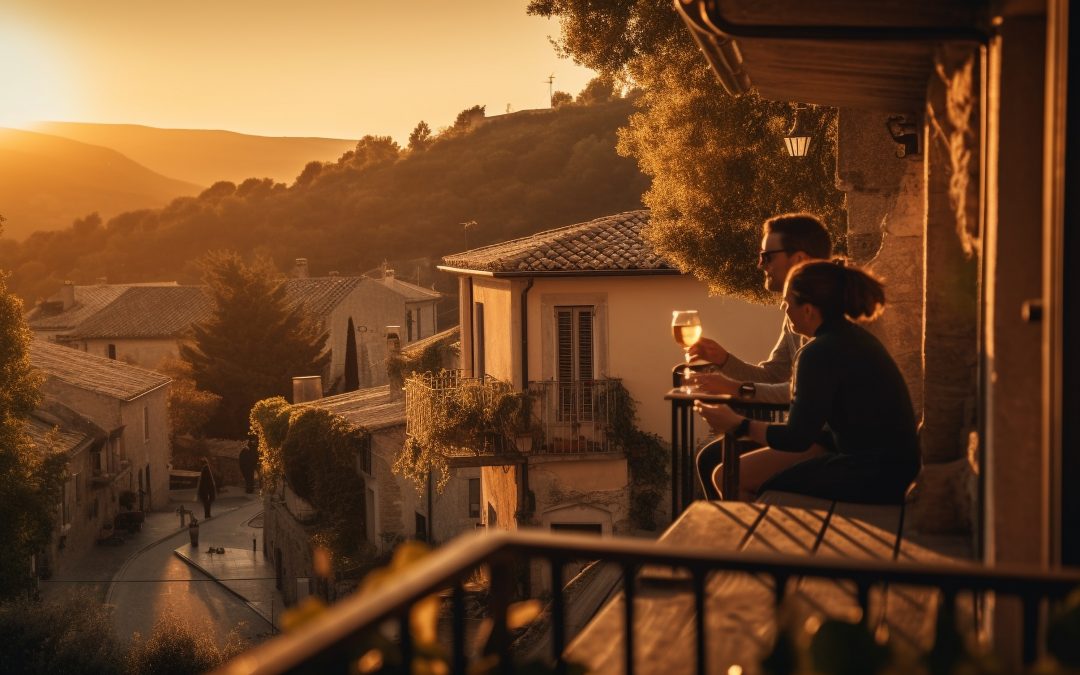
If you’re searching coliving Italy, you’re probably not looking for a “holiday” in the classic sense. You want a place that makes it easy to live well for a few weeks (or a few months): reliable Wi-Fi, a comfortable room, space to focus, and the option of connection without pressure.
This post breaks down what a seasonal stay in coliving Italy actually looks like day-to-day, who it suits best, and the practical checklist that helps you choose the right place – especially if you’re considering something quieter and more rural.
What “coliving Italy” usually means (and what it doesn’t)
At its best, coliving Italy is simple: you rent a room in a shared home (often with other remote workers), and the basics are set up so you can work and live without constantly organising your life. Many spaces also include shared meals or occasional group moments…but the level of “community” varies widely.
What it doesn’t automatically mean:
- A structured programme
- Forced social activities
- Instant best friends
- Constant events and facilitation
Some spaces lean social; others lean quiet. Some are urban and fast; others are rural and slow. The best match is the one that fits your nervous system and your work reality.
Seasonal stays vs “moving to Italy”
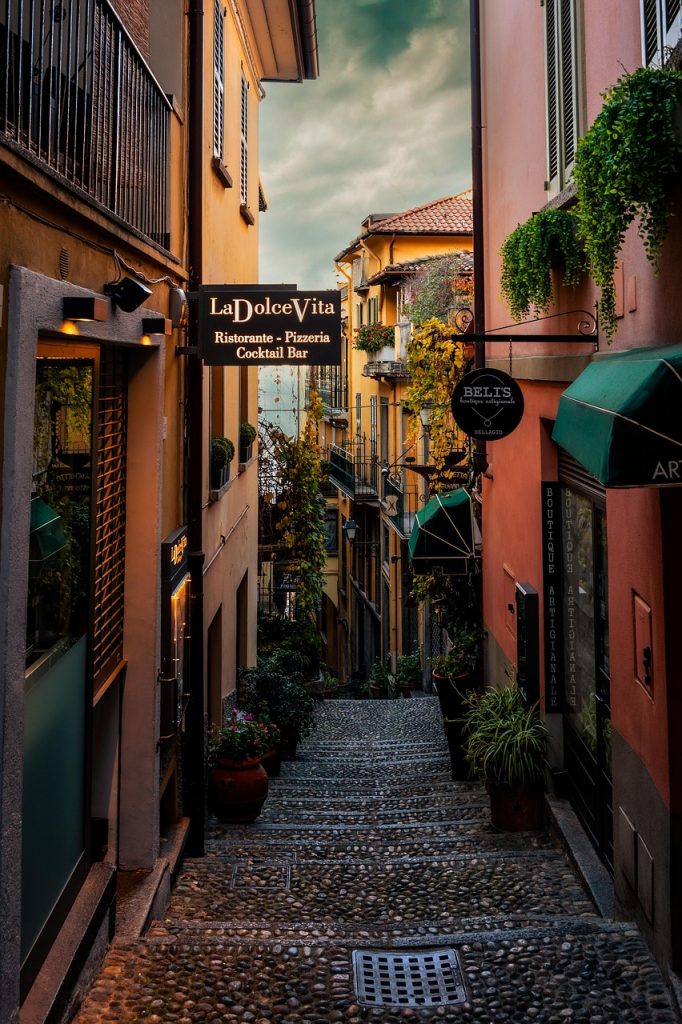
A lot of people arrive via the same question: “Could I live here…without uprooting my whole life?”
That’s where seasonal stays shine. A seasonal stay is long enough to:
- Settle into a rhythm
- Do meaningful work without travel fatigue
- Feel the place (not just visit it)
…but short enough that you’re not dealing with the complexity of relocating. For many people, coliving Italy is the “middle path” between a one-week trip and a permanent move.
Rural vs city coliving: how to choose
City coliving can be great if you want:
- Walkable convenience
- Lots of cafes and coworking options
- Nightlife and constant stimulation
Rural coliving Italy tends to suit you if you want:
- Deep focus
- Nature, quiet, and better sleep
- A slower pace that resets your baseline
- Fewer distractions and less spending-by-default
Neither is “better” – they’re simply different tools. If your goal is output (writing, strategy, creative work) or recovery (burnout, overwhelm, decision fatigue), rural often wins.

The practical checklist: 12 things to check before you book
If you take nothing else from this post, take this. A good coliving Italy stay is mostly about removing friction.
1 Wi-Fi where you’ll actually work
Ask for typical upload/download speeds and whether the signal reaches bedrooms and work areas (not just one router in a hallway). If you’ll be on calls, stability matters more than “fast on a good day.”
2 A proper desk set-up
A dining table can work for a weekend. For a month, you want a real desk or an ergonomic option.
3 Quiet work zones
Is there a space where you can focus while someone else is cooking or chatting? Quiet zones are what make shared living sustainable.
4 Heating/cooling (seasonality matters)
Spring and autumn can be perfect – but only if the house is comfortable in cooler evenings or warmer afternoons. Ask how heating works and whether it’s included.
5 Kitchen reality
A “fully equipped kitchen” can mean anything. If you cook often, ask what’s actually available and how shared cooking is handled.
6 Food logistics in rural areas
If you’re choosing rural coliving Italy, check:
- How groceries work (car, delivery, lift shares)
- Distance to shops
- Whether the host offers help with stocking up
7 Laundry and basics
If you’re staying more than two weeks, laundry access is a quality-of-life dealbreaker.
8 Bathroom ratio
Shared bathrooms can be totally fine…but not if the numbers don’t work. Ask how many bathrooms are shared vs en-suite.
9 House rhythm and boundaries
Is it a quiet house? Are there expectations around noise, guests, or shared areas? Clarity prevents stress.
10 The social layer
How social is it, really? Some people want dinners together; others want friendly hellos and then privacy. Ask what’s typical.
11 Who else is there?
Not in a judgey way – just practical fit. A house full of people on calls at midnight isn’t ideal if you’re early-to-bed.
12 Transport and transfers
For rural stays, transport is part of the experience. Ask for clear guidance on arrival routes and whether transfers are available.
A quick note on visas (especially for non-EU travellers)
Visa rules change, and they depend on nationality and stay length. Rather than relying on blog posts (including this one), it’s best to check official guidance.
Two useful starting points:
- The official Italian visa portal (“Il visto per l’Italia”): https://vistoperitalia.esteri.it/
- Consulate guidance on the Digital Nomad / Remote Worker visa (where applicable): https://consnewyork.esteri.it/en/servizi-consolari-e-visti/servizi-per-il-cittadino-straniero/visti/visas-to-enter-italy/digital-nomad-remote-worker-visa/
If you’re considering a seasonal stay in Italy, here’s what it can look like in practice
A good seasonal stay usually feels like:
- A calm morning routine
- A few solid hours of work
- A simple lunch
- A walk, swim, or reset
- A dinner that doesn’t require lots of planning
- Early nights and better sleep
That’s why so many people are drawn to coliving Italy in the first place: life gets quieter, the days get simpler, and you get your attention back.
If you’re curious about this slower rhythm, this piece on slow travel is a great companion read: https://www.silversea.com/blog/to-finding-more/slow-travel/demystifying-slow-travel-movement
And if you’re weighing accommodation styles, this comparison of coliving vs hostels can help you choose the right fit: http://lavitasukha.com/coliving-vs-hostels
A grounded example: La Vita Sukha seasonal stays
One example of rural coliving Italy is La Vita Sukha, which opens for seasonal stays in spring and autumn, specifically March–May and September–November: https://lavitasukha.com/coliving-italy/
It’s based near Roseto Valfortore in Puglia, in the Monti Dauni hills, and is set up for people who want a calm, lived-in place to work remotely, rest, and enjoy nature without pressure.
If you’re exploring options:
- Seasonal Stays & Coliving details are here: https://lavitasukha.com/coliving-italy/
- If you’re an organiser looking for a retreat or team gathering venue, the venue hire option is here: https://lavitasukha.com/venue-hire-italy/
The simplest “fit test” before you book
Before you commit to any coliving Italy stay, ask yourself:
- Do I want stimulation – or spaciousness?
- Do I want social momentum – or quiet support?
- Do I need city convenience – or is nature the point?
- Do I want a place that feels like a home base?
Answer those honestly, then use the checklist above to confirm the practicalities. That combination is what turns a “nice idea” into a genuinely good stay.