
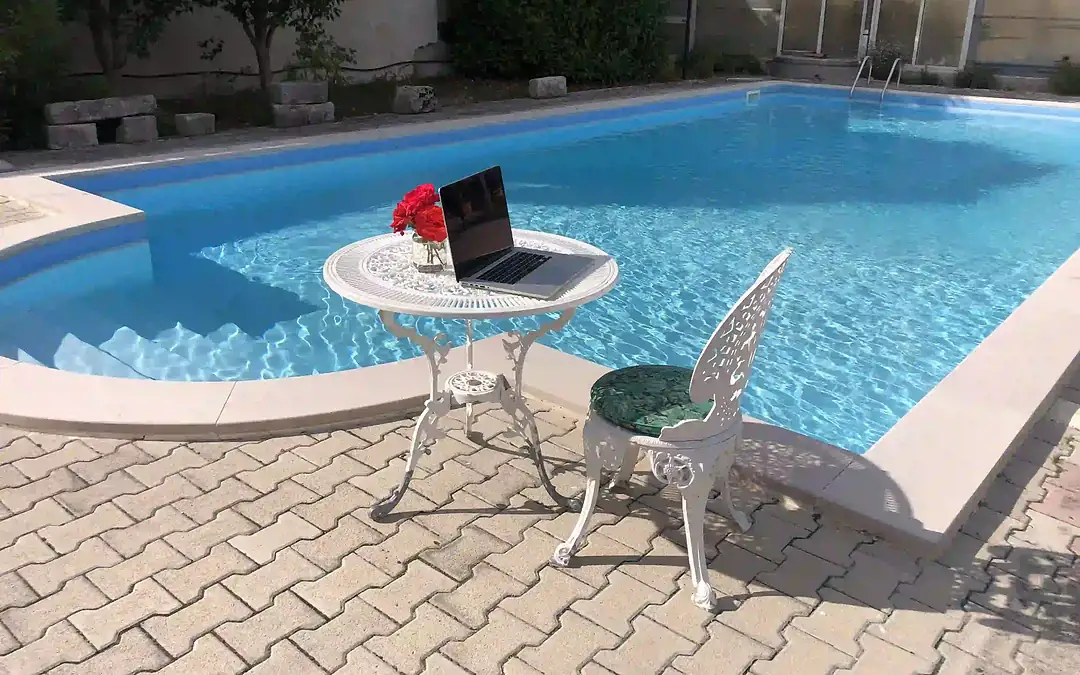
If you’re searching workation Italy, I’m guessing you want the dream combo: good Wi-Fi, beautiful surroundings, decent coffee, and the ability to answer emails without feeling like your soul is slowly leaving your body through a spreadsheet.
Fair.
A workation sounds simple enough: go somewhere lovely, bring your laptop, do your work, enjoy life in between.
But the reality can be slightly more chaotic.
You arrive full of optimism, imagining morning focus blocks and sunset walks.
By day three, you’re hunched over a tiny table in a badly lit corner, taking Zoom calls while someone makes espresso directly beside your left ear.
Romantic?
Yes.
Sustainable?
Absolutely not.
So let’s talk about how to plan a workation in Italy that actually works – one where you get things done, rest properly, and still remember that you are in Italy – not just in a different country with the same inbox.
First, what is a workation?
A workation is a stay where you combine remote work with travel, slow living, or a change of environment. It’s not a full holiday, and it’s not “normal work but with prettier curtains.”
Done well, a workation Italy stay gives you:
- A stable base
- A better daily rhythm
- A new environment without constant travel stress
- Time to work properly and enjoy where you are
Done badly, it becomes:
- Too many day trips
- Too little sleep
- A laptop balanced on your knees
- A vague sense that you are failing at both work and pleasure
The trick is not to cram. The trick is to design the stay around your real capacity.
Why Italy works so well for a workation
Italy is good for workations because life here naturally reminds you that productivity is not the only god.
There are long lunches. There are piazzas. There are old men who appear to have turned sitting outside into an art form. There is coffee that takes three minutes but somehow feels like a spiritual intervention.
A workation Italy stay works especially well when you want:
- A slower pace
- Better food habits
- A break from city noise
- More walking and less rushing
- A sense of “life outside work” again
This is especially true in smaller towns and rural areas, where the rhythm is less “optimise everything” and more “have you considered eating properly and looking at a tree?”
Honestly, radical stuff.
The biggest workation mistake: pretending you’re on holiday
This is where people get into trouble.
They book a workation, then schedule it like a holiday:
- Day trip Monday
- Wine tasting Tuesday
- Beach Wednesday
- Big hike Thursday
- Emails squeezed in at midnight with one eye twitching
That is not a workation. That is a slow-motion nervous breakdown with nice scenery.
If you need to work during your stay, honour that. Plan your work blocks first, then build the Italy part around them.
A good workation in Italy usually has a rhythm like this:
- Morning: Deep work
- Lunch: Proper pause
- Afternoon: Calls, admin, lighter tasks
- Evening: Walk, swim, dinner, rest
Simple. Not boring. Simple.
Your nervous system will send flowers.
How long should a workation Italy stay be?
For a proper workation Italy experience, I’d avoid anything too rushed.
One week
Good for a light reset, but not ideal if you’re travelling far. You may spend half the week arriving, adapting, and trying to remember where you packed your charger.
Two weeks
A strong minimum. You get time to settle, work, explore a little, and stop behaving like a confused suitcase goblin.
One month
The sweet spot. You find a rhythm, your work stabilises, and you begin to feel like you’re living somewhere, not just passing through.
Two to three months
Best for deeper focus, creative projects, burnout recovery, or testing whether seasonal living suits you.
For more on stay length, this post goes deeper: Seasonal Stays Italy: How Long Should You Stay?
The non-negotiables for remote work accommodation in Italy
Before you book, check the boring stuff. The boring stuff is what saves your trip.
1) Real Wi-Fi details
Do not ask, “Is the Wi-Fi good?” That question invites optimism, misunderstanding, and tragedy.
Ask:
- What are the typical download and upload speeds?
- Is the connection stable for video calls?
- Does the Wi-Fi reach bedrooms and work areas?
- Is there a backup option if the internet drops?
A good remote work accommodation Italy setup should be able to answer clearly.
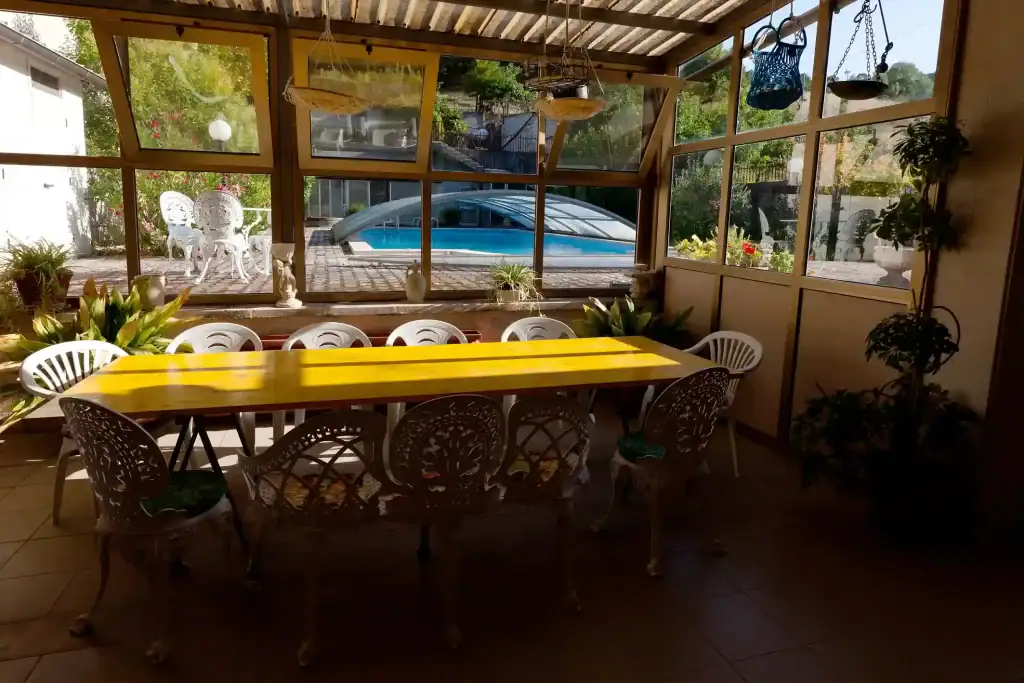
2) A proper place to work
A table is not always a workspace. Sometimes it is just a decorative plank with delusions of usefulness.
Ask:
- Is there a desk?
- Is the chair comfortable for several hours?
- Is there natural light?
- Are there quiet areas for calls?
Your back will have opinions. Listen early.
3) A kitchen that supports normal life
For longer stays, you’ll probably cook. Check:
- Is the kitchen shared or private?
- Is it properly equipped?
- Is there fridge space?
- Are shops nearby?
A workation becomes much easier when you can make a simple lunch without needing an expedition, a translator, and divine intervention.
4) Heating and cooling
Italy is not warm everywhere all the time. This is important.
Spring and autumn can be glorious, but evenings can be cool, especially inland. Summer can be intense. Ask how the property handles both.
A beautiful room is less charming when you’re working in three jumpers and questioning your life choices.
5) Quiet
This one matters more than people think.
A good workation Italy base should support focus. That doesn’t mean silence 24/7, but it does mean you need somewhere calm enough to think.
Ask about:
- House rhythm
- Other guests
- Quiet hours
- Call-friendly spaces
If the answer is “we’re very social here,” lovely. But check whether that means shared dinners or techno until 2am.
City, coast, or countryside?
Italy gives you options. The right choice depends on what kind of workation you actually need.
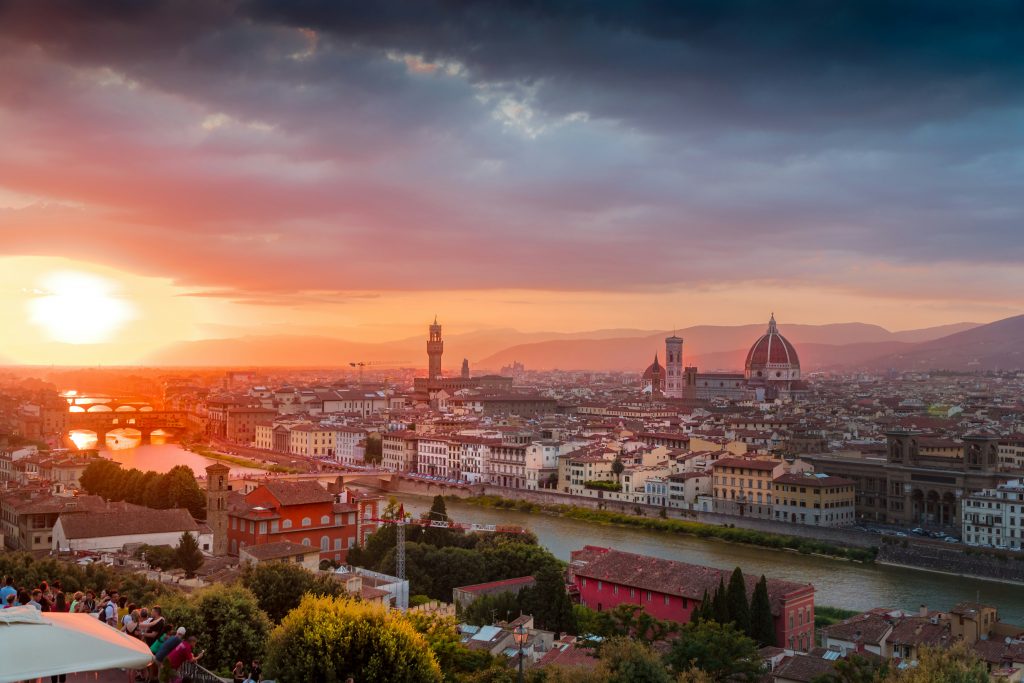
Choose a city if you want:
- Cafes and coworking spaces
- Public transport
- Lots of stimulation
- Easy networking
- Convenience
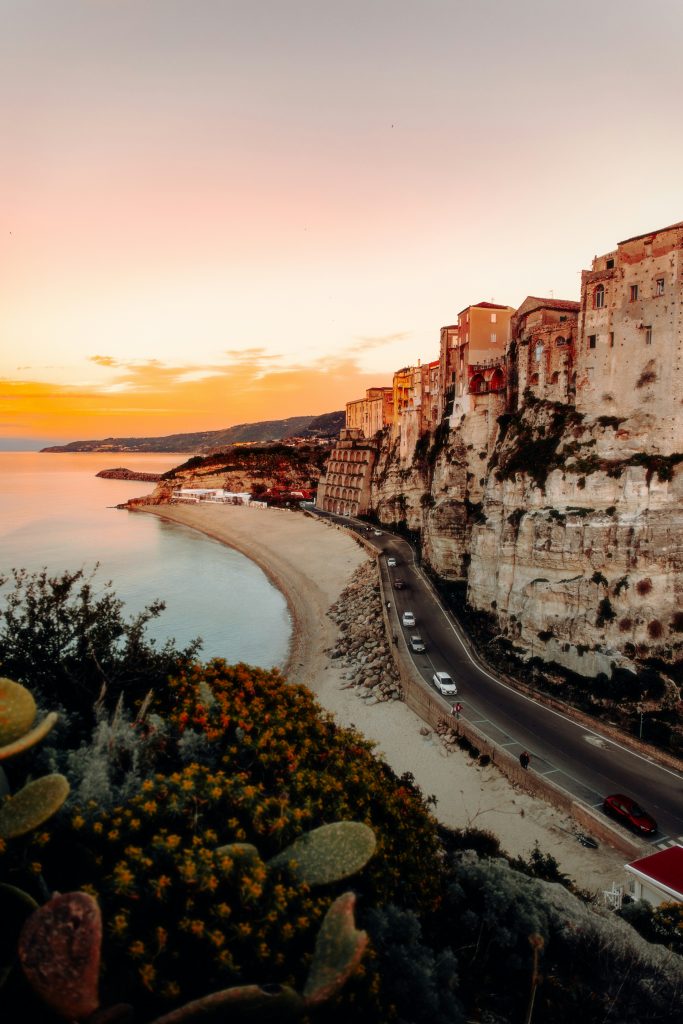
Choose the coast if you want:
- Sea swims
- More holiday energy
- Seasonal buzz
- Day trips and restaurants
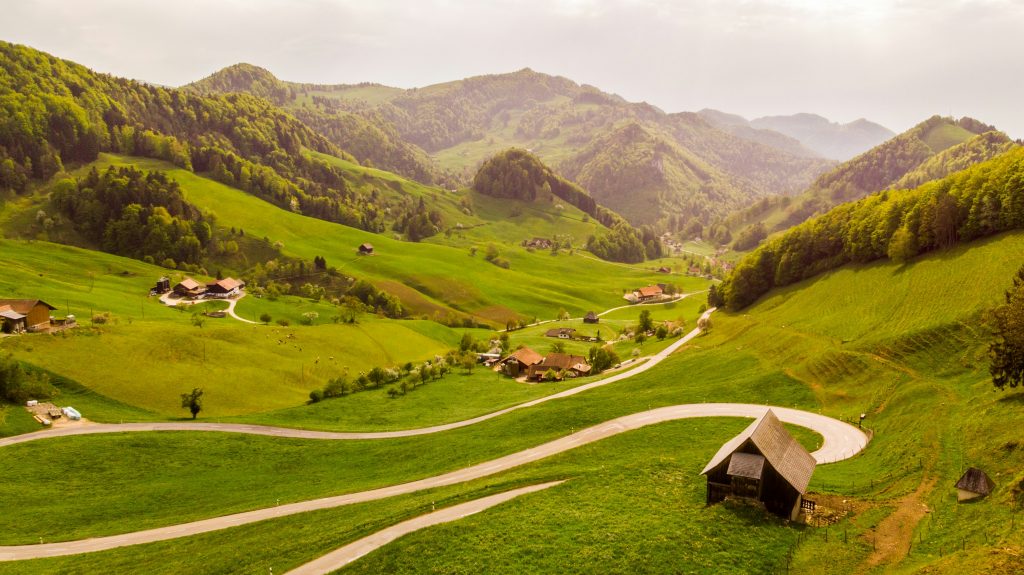
Choose the countryside if you want:
- Deep focus
- Better sleep
- Nature
- Fewer distractions
- A slower, more grounded rhythm
For many remote workers, a rural workation Italy setup is the surprise winner. You may do less “stuff,” but you often get more actual life back.
And your wallet may stop quietly sobbing.
How to structure your workation week
Here’s a simple rhythm that works well:
Monday
Set priorities, deep work, get organised.
Tuesday to Thursday
Main work days. Do your calls, client work, writing, strategy, building, whatever pays the bills and keeps the empire upright.
Friday
Lighter work, admin, planning, creative tasks.
Weekend
Explore, rest, eat something wonderful, remember you have legs.
The key is to stop treating every day like both a work day and a holiday day. That’s how you end up exhausted and weirdly resentful of your own trip.
The “Italy part” matters too
A workation is not just about working somewhere else. It’s about letting the place change your rhythm a little.
So make space for:
- Morning coffee without your laptop
- Walks after lunch
- Local markets
- Cooking simple meals
- Sitting outside doing absolutely nothing
- Wandering without needing it to become content
This is where slow travel Italy comes in. You don’t need to see everything. You need to be somewhere long enough to notice it.
If you’re drawn to that slower rhythm, this post connects well: Slow Living Italy: What It Really Looks Like
The workation packing list nobody glamorous talks about
Bring:
- Laptop stand
- Noise-cancelling headphones
- Adapter
- Long charging cable
- Notebook
- Comfortable clothes
- One decent outfit for dinner
- Eye mask and earplugs
- Patience, because Italy has its own relationship with time
Do not bring:
- Seven pairs of shoes
- Your entire office
- The belief that you’ll reinvent your life in nine days
- A schedule so full it needs a project manager
You are going to work. You are going to live. You are not launching a military operation.
Is coliving a good option for a workation Italy stay?
Yes, if you choose the right kind.
Coliving Italy can be ideal for remote workers because it offers:
- A ready-made home base
- Shared spaces
- Other people around
- Less isolation than a private rental
- More rhythm than hotel-hopping
But check the vibe. Some coliving spaces are very social. Others are quieter and more independent.
Neither is wrong. But if you need deep focus and early nights, don’t book somewhere that describes itself as “vibrant” 14 times. That word is doing a lot of work.
For a deeper look at this, read: Coliving Southern Italy: Who It’s Perfect For
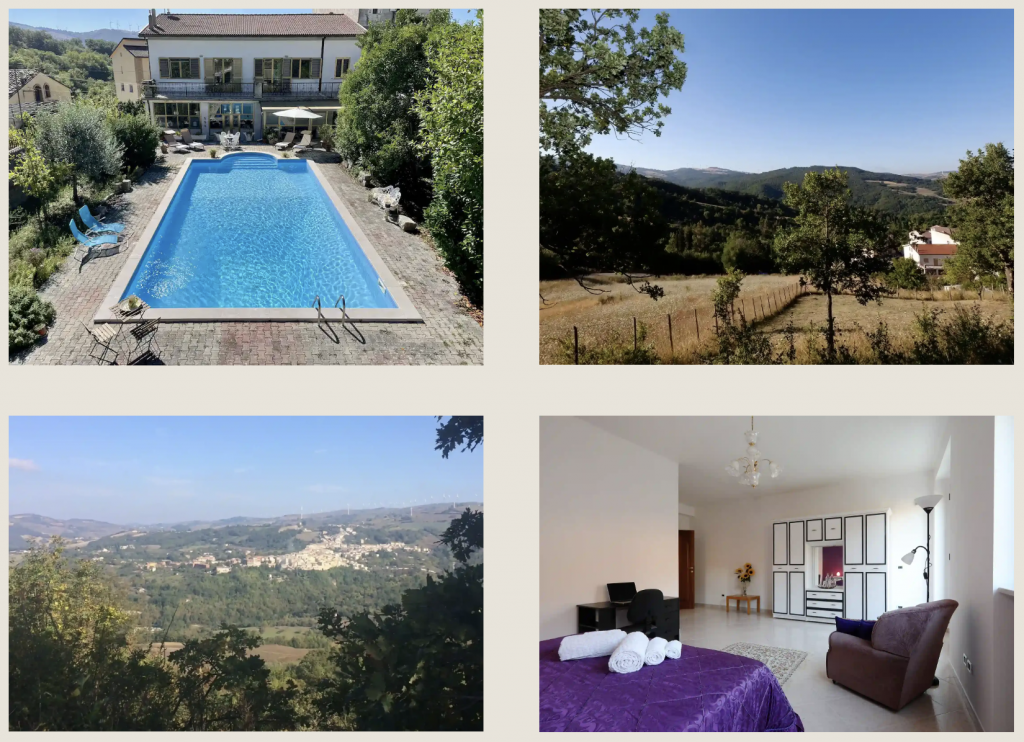
A grounded workation base in southern Italy
La Vita Sukha offers coliving and seasonal stays in rural Puglia for remote workers who want a calmer base – somewhere to work, rest, cook, walk, sleep, and slow down without being swallowed by a giant programme.
It’s best suited to people who want:
- Quiet
- Nature
- Reliable Wi-Fi
- A slower rhythm
- Soft connection rather than forced community
- A proper base for remote work and seasonal living
You can explore Coliving and Seasonal Stays here: Seasonal Stays at La Vita Sukha
And if you’re planning a group retreat, team offsite, or workshop, Venue Hire is here: Venue Hire at La Vita Sukha
Related reads:
Final thought: work less chaotically, live more deliberately
A workation Italy stay is not about pretending you don’t have responsibilities. It’s about creating a rhythm where your responsibilities stop eating the whole table.
Work in focused blocks. Leave space. Eat lunch like a human. Go outside. Let the place interrupt your urgency a little.
That’s the real gift of a workation: not escaping your life, but remembering there are better ways to live it.
Preferably with good coffee and a view that makes your inbox seem slightly less powerful.