
If you’re searching coliving southern Italy, you’re probably craving something that sits in the middle of two extremes: not a short holiday that disappears in a blur, and not a full relocation that requires you to uproot your whole life.
You want a base where you can actually live for a while. Work remotely. Sleep properly. Cook real food. Feel your nervous system drop a gear. And maybe, if it happens naturally, share some human moments with other people doing the same.
This post is here to help you choose well – because not every coliving experience is the same, and southern Italy especially can offer very different lifestyles depending on whether you’re in a city, a beach hub, or a rural inland town.
Below you’ll find:
- Who coliving southern Italy tends to be perfect for
- Who it usually won’t suit (so you don’t waste money or energy)
- A practical checklist for choosing the right seasonal stay
What “coliving southern Italy” can mean in real life
At its simplest, coliving means renting a room in a shared home where basics are set up so you can live and work with less friction: Wi-Fi, kitchen access, shared spaces, and a sense of ease.
But in practice, coliving southern Italy can range from:
- Lively city coliving with coworking and events
- Beach-based coliving that feels like a social summer
- Quiet rural stays designed for focus and slower living
None is better – it’s about fit.
If you choose a place that matches your actual needs (work, rest, social energy, sensory load), coliving can feel like a genuine upgrade. If you choose based only on photos, it can feel like a beautiful inconvenience.
Who coliving southern Italy is perfect for
1) Remote workers who want deep focus without isolation
If you work online and you’re tired of bouncing between Airbnbs, coliving southern Italy can give you something rare: stability.
A good setup offers:
- Reliable Wi-Fi
- A proper workspace
- Quiet zones
- Just enough social presence to avoid feeling isolated
This is ideal if you’re writing, building, consulting, coaching, coding, or creating – and you want a calm base where your brain can actually finish thoughts.
2) People who want a slower rhythm (without going off-grid)
Slow living doesn’t have to mean living in a yurt and making your own toothpaste.
Many people look for coliving Italy because they want:
- Fewer decisions
- Less sensory overload
- More time outdoors
- Simpler meals
- Early nights and better sleep
Southern Italy can support this beautifully, especially in shoulder seasons when the pace is naturally slower and there’s less tourist intensity.
3) People recovering from burnout who need life to feel manageable again
If you’re burnt out, the usual travel model can backfire: too much movement, too many decisions, too much input.
A well-chosen seasonal stay in Italy gives you:
- Routine without rigidity
- Space without loneliness
- Nature and quiet without total disconnection
If your nervous system has been running hot, a calmer environment can be a genuine support.
4) People who want to try “rural Italy” without committing
A lot of people are drawn to rural living, but aren’t sure if it will suit them.
Coliving southern Italy can be a smart trial period:
- You get to feel the rhythm of countryside life
- You learn what’s easy and what’s hard
- You experience the pace before making any big decisions
A seasonal stay lets you test it for weeks rather than days, which is usually when the real truth reveals itself.
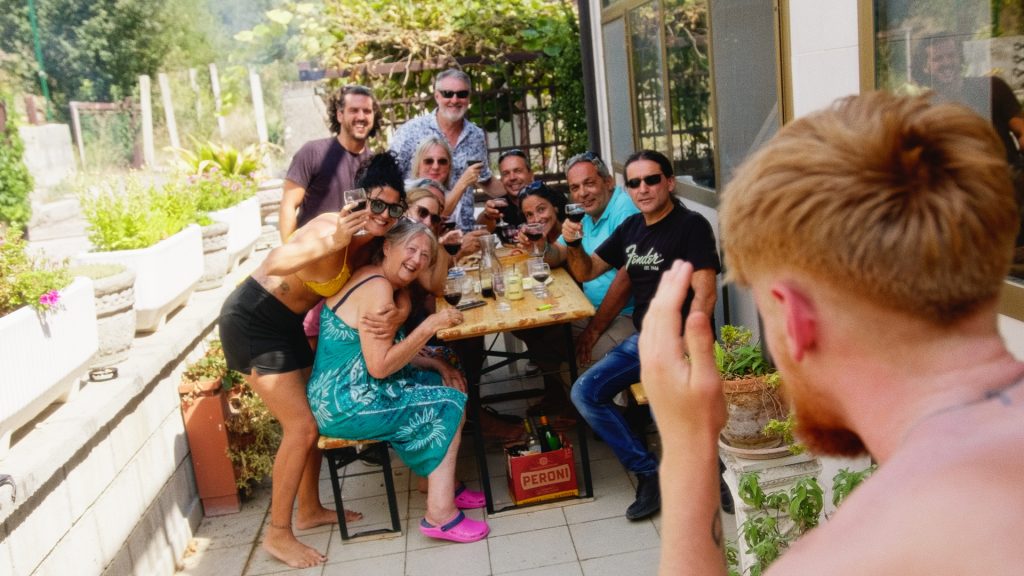
5) People who want soft connection, not forced community
The best coliving experiences are often the ones where connection is available, but not demanded.
If you want:
- Friendly conversations
- Occasional shared meals
- Maybe a walk or a trip together
…but you don’t want pressure to socialise constantly, then quieter styles of rural coliving Italy can be a perfect fit.
6) People who are happy with simple pleasures
A lot of the magic of southern Italy is not “entertainment.” It’s everyday life:
- Local cafes
- Markets
- Home-cooked meals
- Slow evenings
- Nature walks
- Village life unfolding around you
If those things genuinely nourish you, you’ll probably love it.
Who coliving southern Italy usually won’t suit
This section is not here to judge anyone. It’s here to save you time, money, and disappointment.
1) If you want nightlife, constant events, and high social momentum
Some colivings are social and event-heavy. But rural seasonal stays are often the opposite.
If you want:
- Nightlife
- Parties
- Constant social plans
- A big rotating crowd
…you’ll likely be happier in a city or beach hub, or a coliving explicitly built around social programming.

2) If you need city convenience to feel regulated
If you feel anxious without:
- Lots of shops and services nearby
- Public transport at your doorstep
- Easy takeaways and deliveries
- Immediate access to coworking cafes
…then rural coliving southern Italy can feel inconvenient rather than calming.
Rural life is simpler, but it’s not always easy.
3) If you’re not comfortable with shared living
This is a big one.
Even in very calm houses, shared living means:
- Sharing kitchens
- Sharing common spaces
- Being considerate about noise
- Communicating like an adult
- Adapting slightly to others
If you need total control over your environment, a private apartment may suit you better than coliving Italy.
4) If you’re hoping “the place will fix you”
A seasonal stay can support you, but it won’t do the inner work for you.
If you’re expecting:
- Instant transformation
- A perfect community to heal you
- A total life reset without changing habits
…you may end up disappointed anywhere.
The people who benefit most from coliving southern Italy come with one intention: create space, simplify, and let a healthier rhythm become possible.
5) If you can’t tolerate logistical friction
Rural stays often include:
- Fewer transport options
- Shopping that requires planning
- Slower service timelines
- Occasional unpredictability
If small inconveniences trigger stress quickly, you may prefer a more urban base.
The practical checklist: how to choose the right coliving southern Italy stay
Here’s the part that saves your trip.
1) Confirm the Wi-Fi setup (speed + stability + coverage)
Ask:
- Typical download/upload speeds
- Whether it’s stable for calls
- Whether it reaches bedrooms and work areas
If you’re booking remote work accommodation Italy, Wi-Fi is not a bonus. It’s the foundation.
2) Ask about the workspace (not just “there’s a table”)
Clarify:
- Is there a desk?
- Is the chair comfortable for hours?
- Is there decent light?
- Are there quiet work zones?
3) Ask about the house rhythm
This is where fit happens.
Ask:
- Is it quiet or social?
- Are there shared meals?
- Are there quiet hours?
- What’s typical bedtime/wake time in the house?
A quiet place to work in Italy depends on rhythm, not just location.
4) Check seasonal comfort (heating/cooling)
Shoulder season in southern Italy can be perfect – but nights can be cool, and some old houses need thoughtful heating.
Ask:
- How heating works
- Whether it’s included
- Whether rooms stay warm
- How cooling works in hotter months
5) Understand groceries and transport
Especially for rural coliving Italy, ask:
- Nearest supermarket and shop opening times
- Whether you need a car
- Transfer options from airports/stations
- Whether hosts help coordinate transport
This is the difference between “romantic rural life” and “why is this so hard.”
6) Bathroom ratio and privacy
Ask:
- How many bathrooms
- What’s shared vs en-suite
- Whether rooms are quiet and private
If you’re staying for weeks, privacy matters.
7) Get clear on who else will be there
Not because it needs to be curated – but because it affects rhythm.
Ask:
- Typical guest profiles (remote workers, travellers, families, etc.)
- Average length of stay
- Whether guests rotate weekly or stay longer
Longer stays often create calmer, more stable energy.
8) Clarify expectations and boundaries
Good coliving environments usually have clear norms.
Look for:
- Respect for shared spaces
- Self-responsibility
- Calm communication
- No heavy “programme vibe”
The healthiest spaces aren’t controlling – they’re simply clear.
Rural vs coastal vs city in southern Italy: which is right for you?
To make the choice easier:
Choose rural if you want:
- Deep focus
- Nervous system downshifting
- Nature and quiet
- Simple routines
- Fewer distractions
Choose coastal if you want:
- Beach life and day trips
- More tourist energy
- More social movement (especially in summer)
Choose city if you want:
- Cafes, coworking, convenience
- Public transport
- Constant options and stimulation
Southern Italy offers all three. The best choice is the one that supports your real intention for this season.
A grounded example: seasonal stays at La Vita Sukha
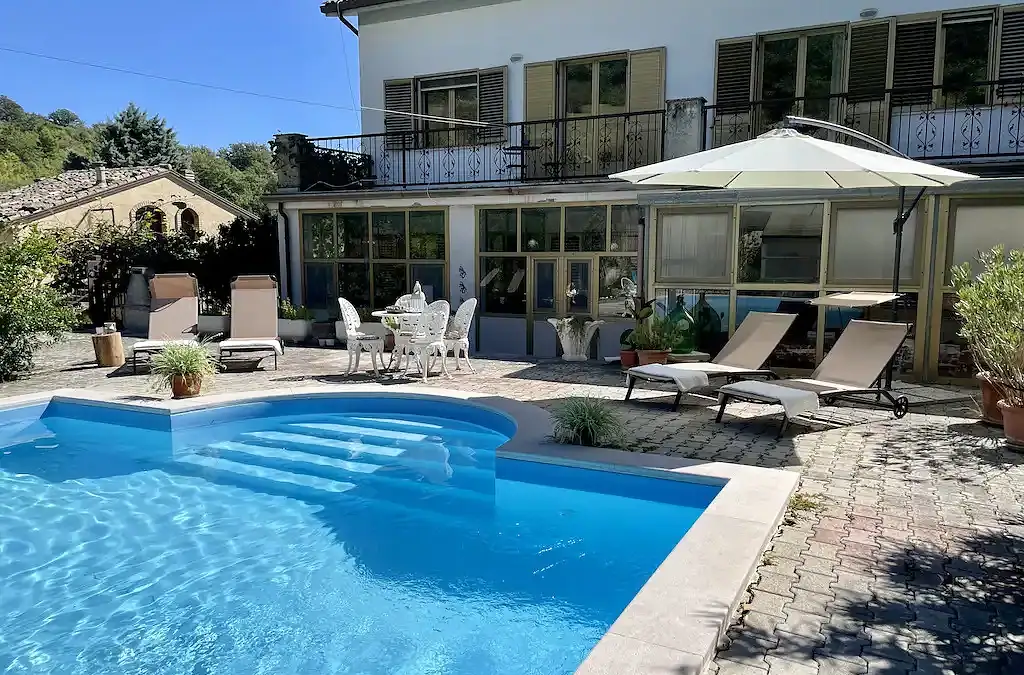
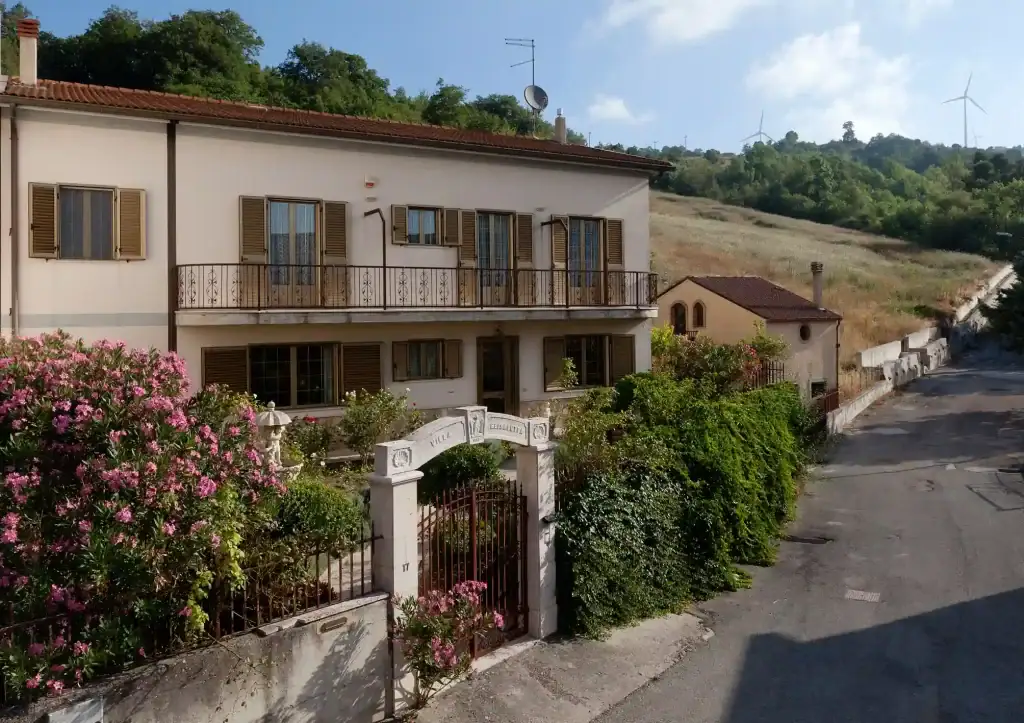
One example of coliving southern Italy in a quieter, rural style is La Vita Sukha, based in the Monti Dauni hills of Puglia. It’s set up for seasonal stays with a calm rhythm – good for remote workers and slow living, without pressure or heavy “community programme” framing.

If you want to explore that style of stay, the Seasonal Stays page is here: https://lavitasukha.com/coliving-italy/
And if you’re looking to bring a group (retreat, workshop, or team offsite), the venue hire option is here: https://lavitasukha.com/venue-hire-italy/
Related reads:
- https://lavitasukha.com/slowing-down/
- https://lavitasukha.com/coliving-vs-hostels/
- https://lavitasukha.com/our-blog/
The simplest way to know if it’s for you
Coliving southern Italy is usually a great fit if you want:
- A calm base
- A slower pace
- Time to focus
- Nature and simplicity
- Connection that’s available, not forced
And it’s usually not a great fit if you want:
- Nightlife and constant buzz
- High convenience and instant services
- A highly social, event-driven environment
- Total privacy with no shared living
Choose based on your nervous system, your work needs, and your honest preferences – not on what looks good online.